





Farmers Market Injuries in California: Who May Be at Fault and How Liability Is Determined
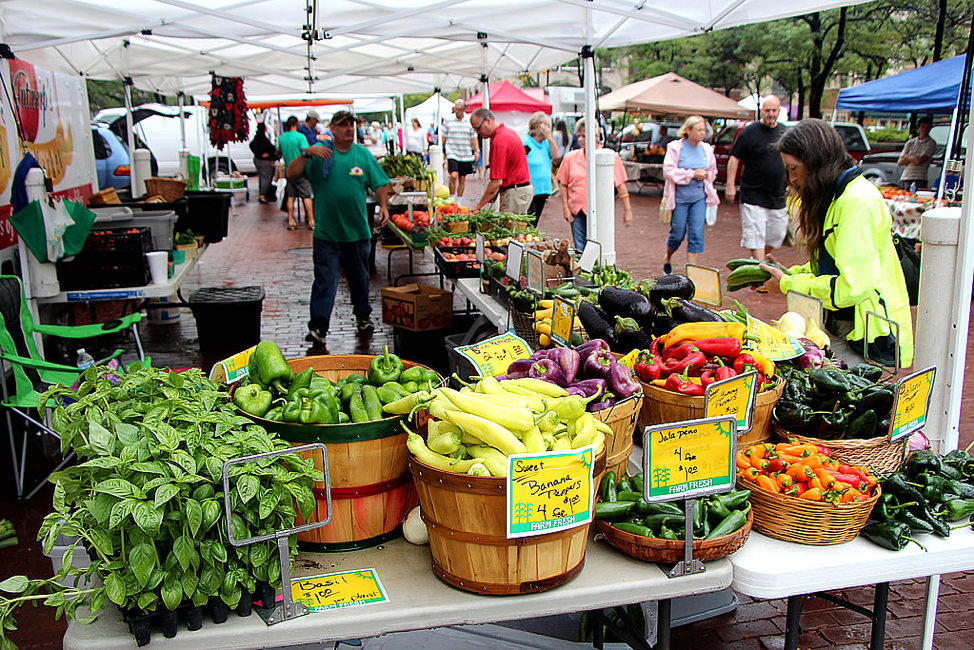
Farmers markets are busy, fast-moving spaces—temporary vendor setups, crowded aisles, food samples, kids and strollers, pets, delivery carts, and uneven ground all in one place. When someone gets hurt, the next question is usually: who is responsible—the vendor, the market organizer, the property owner, the city, or even another shopper?
In California, fault in a farmers market injury is typically decided under premises liability and general negligence rules. The details matter: where the hazard was, who controlled that area, whether anyone had notice of the danger, and what steps were (or weren’t) taken to fix it or warn people.
Liability snapshot: what usually decides fault at a farmers market
- Who controlled the area where you fell or got hurt (vendor booth vs. common walkway vs. parking lot).
- What the hazard was (spill, uneven pavement, exposed tent stake, falling sign, hot liquid, poorly lit area).
- Whether the responsible party knew or should have known about the danger (actual notice vs. constructive notice).
- How long the condition existed before the incident (minutes vs. hours can matter).
- Whether there were reasonable inspections (cleaning schedule, staff walkthroughs, maintenance practices).
- Warnings and barriers (cones, signs, tape, staff rerouting foot traffic).
- Vendor setup and equipment safety (canopies, weights, cords, generators, coolers, carts).
- Security and crowd management (queue lines, trip hazards from crowding, vehicle access restrictions).
- Comparative fault arguments (footwear, distraction, phone use, ignoring a visible warning).
- Insurance structure (vendor general liability, market organizer policy, property owner policy, special event coverage).
Who may be responsible at a California farmers market
More than one party can share liability. A market is often a patchwork of responsibilities: vendors manage their booths, the organizer manages common areas, and a separate entity may own the land or parking lot.
| Potentially responsible party | When they may be liable | Common injury triggers | Evidence that often matters |
|---|---|---|---|
| Individual vendor | Hazard comes from the vendor’s products, equipment, or booth operations; vendor created or failed to address a dangerous condition. | Spills from samples; boxes in walkways; unsecured canopy; exposed cords; hot food burns; falling merchandise; sharp edges on displays. | Booth photos, setup layout, witness statements, vendor permits, incident report, product packaging/temperature logs (when relevant). |
| Market organizer / operator | Controls common areas, sets rules, manages crowd flow, coordinates safety and cleanup, contracts for maintenance and security. | Slippery shared walkways; lack of cleanup; inadequate supervision; unsafe layout; poor lighting; failure to enforce vendor safety rules. | Market rules, staffing plan, cleaning/inspection logs, vendor agreements, site maps, prior complaints, surveillance footage. |
| Property owner / landlord | Owns/maintains the premises; responsible for certain conditions like structural defects or long-standing hazards depending on lease/control. | Uneven pavement; potholes; broken curbs; poor drainage; inadequate lighting; faulty stairs/handrails; dangerous parking lot conditions. | Maintenance records, prior repair requests, photos of defect, code enforcement history, lease terms about control/maintenance. |
| City/county or public entity | Market held on public property; liability may exist but special rules apply, including deadlines and immunity issues. | Sidewalk defects; park hazards; street closures/traffic control failures; inadequate warnings in a public area. | Location details, photos, public works records, permits, traffic control plans, proof of timely government claim filing. |
| Security company / maintenance contractor | Contracted to provide specific services; may be liable if negligence in performing duties contributed to injury. | Failure to address known crowd hazard; inadequate cleanup response; improper placement of barricades. | Service contract scope, work logs, dispatch records, incident response notes, witness accounts. |
| Another shopper/attendee | Directly causes harm through careless actions; still may trigger shared liability by organizers if conditions were unsafe. | Collisions; pushing; dropping items; leash-related trip; reckless bicycle/scooter use. | Witness info, videos, descriptions, any security involvement, medical documentation of mechanism of injury. |
How California law typically analyzes a farmers market injury
Premises liability (dangerous property conditions)
Many farmers market injuries come from a hazardous condition on the property (or a temporary condition created during the event). In general, a person or entity that owns, leases, occupies, or controls property must take reasonable steps to keep it safe and to warn about known dangers.
Common premises-liability-style hazards at markets include:
- Spilled liquids (coffee, juice, melted ice) and food debris
- Uneven surfaces, potholes, or raised tree roots
- Loose mats, rugs, or temporary flooring
- Exposed tent stakes, ropes, zip ties, or guy lines
- Cords, power strips, extension cables, or hoses crossing walkways
- Poor lighting in early morning/evening setups or parking areas
- Overcrowding and blocked aisles that force unsafe foot traffic
Negligence (careless actions and operations)
Some injuries are less about the property and more about how someone acted. Examples include a vendor handing out a dangerously hot sample, an employee moving a heavy cart through a dense crowd, or a canopy that wasn’t properly weighed down in windy conditions.
Notice: did they know about the hazard?
A key issue is often whether the responsible party had actual notice (they knew) or constructive notice (they should have known through reasonable inspections). For instance:
- If a vendor sees a spill and ignores it, that supports actual notice.
- If a spill appears to have been present long enough that staff should have found it during routine walkthroughs, that may support constructive notice.
Comparative negligence (shared fault)
California uses pure comparative negligence. That means fault can be split among multiple parties—including the injured person. Insurers often argue the injured person was distracted, wearing unsafe footwear, or should have seen a warning. Even if some blame is assigned to you, you may still be able to recover damages—reduced by your percentage of fault.
Common farmers market injury situations and who is usually investigated first
Slip-and-fall from food, drinks, or melted ice
Likely targets: the vendor who created the spill, the organizer responsible for common walkways, and sometimes a maintenance contractor. The key questions are who created the condition and how quickly it was cleaned or blocked off.
Trip-and-fall on cords, stakes, hoses, or display items
Likely targets: the vendor (for booth setup hazards) and the organizer (for enforcing rules and walkway safety). Cords without cable covers, poorly placed signage, and items protruding into the aisle are frequent issues.
Injuries from falling objects or collapsing setups
Likely targets: vendor first, sometimes organizer. Unsecured canopies, unstable shelving, and overloaded tables can lead to head injuries, shoulder injuries, or lacerations. Wind conditions and required canopy weights can become important.
Burns, allergic reactions, or food-related injuries
Likely targets: vendor primarily. Burns may involve hot liquids, grills, or chafing dishes. Allergic reactions can involve labeling, cross-contact, or sample handling. These cases can be fact-specific and may involve product liability concepts depending on what happened.
Parking lot and pedestrian-vehicle incidents
Likely targets: driver, property owner, organizer, and possibly a public entity depending on where it happened. These incidents can involve inadequate traffic control, poor signage, lack of barriers, or unsafe pedestrian routes.
Assaults, fights, or security-related incidents
Likely targets: person who caused harm; possibly organizer/property owner if negligent security is alleged in limited circumstances (often requiring foreseeability and prior similar incidents). These cases are highly dependent on facts.
Evidence that tends to make or break a farmers market injury claim
Because farmers markets are temporary events, evidence can disappear fast—booths pack up, spills dry, and vendors leave. If you’re able (and safe) to do so, careful documentation can be critical.
Photos and video: what to capture
- The hazard itself (spill, cord, stake, broken pavement, missing sign)
- Wide shots showing where it was in relation to the vendor booth, aisle, curb, or entrance
- Lighting conditions and any visual obstructions
- Warning signs (or the absence of them)
- Footwear and any visible injuries (if appropriate)
Witness information
Independent witnesses are often persuasive. Get names and phone numbers if possible, especially from people who saw the hazard before the fall or saw staff acknowledge it.
Incident reports and who to notify
Markets often have an organizer booth, onsite security, or a manager. Ask that a report be created and request how to obtain a copy later. Also identify which vendor was nearest if the hazard came from a booth operation.
Medical documentation
Medical records connect the incident to the injuries and show the extent of harm. Follow-up care matters, especially for:
- Fractures and sprains (ankle, wrist, knee)
- Back and neck injuries
- Head injuries and concussion symptoms
- Deep cuts requiring stitches
Preserving time-sensitive evidence
Surveillance video may be overwritten quickly. Vendor rosters and permits may be easier to obtain early. The sooner the location, time, and vendor details are identified, the easier it is to trace who was present and which insurance policies may apply.
Defenses and insurance arguments you should expect
Even when someone is seriously hurt, insurance companies commonly dispute fault or try to reduce the value of the claim. Common themes include:
- “Open and obvious” hazard: The defense argues you should have seen it and avoided it.
- No notice: They claim the spill or hazard happened moments before and there was no reasonable opportunity to fix it.
- Third-party blame: The organizer blames a vendor; vendor blames organizer; property owner blames the event operator.
- Comparative fault: Distraction, rushing, carrying items, unsuitable footwear, not watching where you were going.
- Injury causation: They argue the treatment was excessive or the symptoms came from a preexisting condition.
- Scope of responsibility: Particularly with contractors or property owners, the argument may be “we didn’t control that area.”
Example scenarios (hypothetical)
Hypothetical 1: Trip on an extension cord near a popular booth
Hypothetical facts: A smoothie vendor runs an extension cord from a generator to a blender station. The cord crosses the aisle without a cable ramp or tape. A customer trips, falls, and fractures a wrist. The vendor says the organizer approved the setup.
How fault might be evaluated: The vendor may be a primary focus because the cord came from its operation and wasn’t protected. The organizer may also be evaluated if it set up the layout, inspected booths, or required (but didn’t enforce) safe cord management. If the cord was in a common walkway, shared responsibility is possible.
Hypothetical 2: Slip on a spill in a common walkway
Hypothetical facts: A shopper slips on spilled iced coffee in a main aisle. No cones or wet-floor signs are present. Witnesses say the spill was there for at least 20 minutes.
How fault might be evaluated: Responsibility may depend on who controlled and monitored that aisle. If the organizer was responsible for routine walkthroughs and cleanup, constructive notice may be argued. If the spill came from a specific vendor’s sampling station and staff saw it, the vendor may share fault.
Hypothetical 3: Pothole in the parking lot after the market closes
Hypothetical facts: After shopping, a customer steps into a pothole in the parking lot, causing a knee injury. The market is held on private property that’s used as a lot during the week.
How fault might be evaluated: The property owner may be investigated for maintenance of the parking lot. The organizer’s responsibility may depend on contract terms and whether it assumed duties for parking management or placed warnings. If lighting was poor, that can also factor into whether reasonable steps were taken.
What to do after a farmers market injury (to protect your health and your claim)
- Get medical care promptly and describe how the injury happened.
- Report the incident to the organizer or onsite manager and note the time and location.
- Identify the vendor closest to where it happened (business name, booth number, receipts, photos of signage).
- Photograph the hazard from multiple angles and distances.
- Collect witness contacts before people leave.
- Keep receipts and documentation tied to the visit (parking, purchases, vendor cards).
- Avoid recorded statements to insurers until you understand what’s being asked and why.
- Track symptoms and limitations (mobility, work restrictions, sleep issues), as these often change over days.
Damages that may be available in a California injury claim
The value of a claim depends on the injuries and the proof. In general, damages may include:
- Medical expenses (ER, urgent care, imaging, surgery, physical therapy, medications)
- Future medical care if ongoing treatment is reasonably anticipated
- Lost wages and loss of earning capacity (time missed, reduced hours, inability to do prior work)
- Pain and suffering and loss of enjoyment of life
- Out-of-pocket costs (medical devices, transportation to appointments)
Insurance carriers often focus heavily on medical records, consistency of treatment, and whether the mechanism of injury matches the diagnosis (for example, whether a fall plausibly caused a meniscus tear or concussion symptoms).
Special issues when the market is on public property
If the incident happened on a sidewalk, street, park, or other government-controlled property, additional rules can apply. Claims involving a public entity may require a specific type of notice and a shorter deadline than standard personal injury cases. Identifying whether the location was city-owned (versus privately-owned but permitted) can be an important early step.
When multiple insurance policies may apply
Farmers market liability claims often involve layered coverage:
- Vendor general liability insurance (booth operations, products/ongoing operations)
- Market organizer event policy (common areas, event operations)
- Property owner premises policy (structural/maintenance issues)
- Contractor policies (security, cleanup, maintenance)
It’s common for parties to dispute whose policy is primary. Evidence about control, contracts, vendor rules, and where exactly the hazard was located can drive how responsibility is allocated.
FAQ
Who is liable if I slipped near a vendor booth but not inside it?
Answer: It depends on who controlled that area and what caused the hazard. A vendor may be responsible if its operations created the danger, while the organizer may be responsible for inspections and cleanup in common aisles.
What if I didn’t see the hazard—does that mean it’s my fault?
Answer: Not automatically. California comparative negligence can assign partial fault, but many hazards (clear liquids, crowded aisles, poor lighting) can be difficult to detect even when someone is careful.
Do I have a case if the spill happened moments before I fell?
Answer: Possibly, but notice becomes a key issue. If the hazard was truly instantaneous, a defense may argue there wasn’t time to fix it; however, if the condition was recurring or inspections were unreasonable, liability may still be argued.
Can the property owner be liable if the market is run by an organizer?
Answer: Sometimes. Liability often turns on whether the property owner retained control over maintenance or knew about a dangerous condition (like a broken curb, pothole, or inadequate lighting) and failed to address it.
What if I was hurt by another shopper pushing or bumping into me?
Answer: The other person may be primarily responsible, but the organizer or property owner can be investigated if unsafe crowd management, poor layout, or lack of reasonable security contributed to the incident.
Is a farmers market required to have insurance?
Answer: Many organizers and cities require vendors or event operators to carry general liability coverage, but requirements vary. If a claim exists, identifying the correct insured parties and policies is a major step.
Talk to a California personal injury lawyer about a farmers market injury
If you were injured at a farmers market and you’re unsure who is at fault—vendor, organizer, property owner, or another party—getting a clear liability analysis early can help preserve evidence, identify insurance coverage, and avoid common pitfalls. To discuss your situation, you can contact Jacob Emrani through CallJacob.com for a consultation. No outcome can be promised, and each case depends on its specific facts.
Disclaimer: This article provides general educational information about California personal injury and premises liability concepts and is not legal advice. Reading this content does not create an attorney-client relationship. For advice about your specific situation, consult a qualified attorney.