


10 Key California Bicycle Laws
August 10, 2017
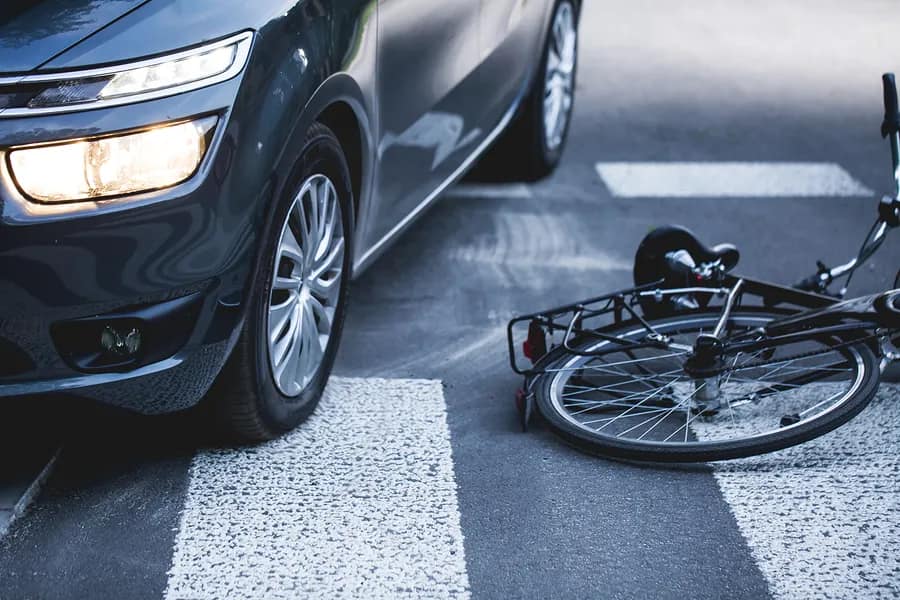
California treats a bicycle as a vehicle for many rules of the road. That matters for safety, citations, and—if there’s a crash—how fault and damages may be evaluated. Below are 10 of the most important California bicycle laws and practical takeaways for cyclists, drivers, and anyone riding e-bikes or commuting in traffic.
Quick safety actions that also protect your legal position
- Ride predictably: follow traffic signals, use proper lane positioning, and avoid weaving between cars.
- Be visible: use required night lights/reflectors and consider bright clothing even in daytime.
- Communicate: use hand signals and make eye contact when possible at intersections and driveways.
- Document conditions: if something feels unsafe (potholes, debris, poor lighting), note the location—hazards can become evidence after a collision.
- Don’t assume “bike = always right”: California’s comparative fault rules can reduce recovery if a cyclist’s choices contributed.
- Know where you can ride: sidewalks, bike lanes, and roadways can have different local rules and expectations.
- Protect your head: helmet requirements depend on age and bicycle type, but head injuries are a common high-impact factor in claims.
The 10 California bicycle laws that come up most often
These rules are frequently involved in bike stops, near-misses, and injury claims. City ordinances and roadway signage can add extra requirements, but these are the statewide basics that often matter.
1) Cyclists generally have the same rights and duties as drivers
In many situations, a person riding a bike must follow the same traffic rules as someone driving a car—stopping at stop signs, obeying lights, yielding when required, and riding in the correct direction. This is a foundational concept in California traffic law and comes up often in fault disputes after a crash.
2) Ride with traffic (not against it)
Riding against traffic increases closing speed and reduces a driver’s time to react—especially at driveways and intersections. It can also trigger arguments that the cyclist contributed to the collision (comparative negligence), depending on the facts.
3) Use the bike lane when it’s there—unless an exception applies
Where a bike lane is provided, riders are often expected to use it. Common exceptions include preparing for a left turn, passing another cyclist or obstacle, avoiding debris or unsafe conditions, or when approaching a place where a right turn is authorized and the rider is continuing straight.
Why it matters: After a crash, insurers may argue a cyclist was outside the bike lane “for no reason.” If you left the lane to avoid a hazard or to position safely, documenting the reason can be important.
4) Lane positioning: “as far right as practicable” is not “as far right as possible”
California’s rules often describe riding near the right-hand curb or edge of the roadway, but with real-world exceptions—such as when traveling at the speed of traffic, passing, turning left, avoiding hazards, or when the lane is too narrow for a bicycle and a vehicle to safely travel side by side.
Practical point: Taking the lane in a narrow lane can be a safety move. In disputes, the key question is often whether the cyclist’s positioning was reasonable under the circumstances.
5) Hand signals (and safe turns) still matter on a bicycle
Cyclists are expected to signal turns and lane changes when it’s safe to do so. If a hand signal would compromise control (for example, on rough pavement), a rider may need to prioritize safety—yet that can become contested after a collision. When possible, signal early, look behind, and move predictably.
6) Night riding requires lights and reflectors
After dark, bicycles generally must have a white light visible from the front and a red reflector (or red light with reflector) visible from the rear, plus reflectors on pedals and/or additional reflectors. The purpose isn’t just visibility—it’s also about whether a driver could reasonably see the cyclist in time.
Claim impact: Missing required lighting is a common insurance argument to reduce or deny liability, especially in dusk/night collisions.
7) Helmet requirements can depend on age and vehicle type
California has helmet rules for minors on bicycles and often for riders on certain motorized devices and e-bikes (depending on classification and age). Even when an adult helmet isn’t legally mandated in a particular situation, not wearing one can become an argument about injury severity and mitigation—especially in head injury cases.
8) No “double riding” unless the bike is built for it
Carrying a passenger is generally allowed only if the bicycle is designed for more than one person (for example, a properly equipped tandem or a bike with an appropriate passenger seat). Passengers perched on handlebars or pegs can create instability and increased injury risk.
9) Sidewalk riding: often legal, sometimes restricted locally
California law and local ordinances can differ on sidewalk biking. In many areas, riding on the sidewalk isn’t automatically illegal, but cities may restrict it in business districts or crowded zones. Even when allowed, sidewalk riding introduces conflicts with pedestrians and drivers exiting driveways or making turns.
Collision patterns: Drivers commonly say “they came out of nowhere” when a cyclist rides fast on a sidewalk and enters a crosswalk or driveway area.
10) DUI rules can apply to cyclists
Bicycling under the influence can result in legal consequences. Beyond citations, impairment is a major factor in crash causation and comparative fault. If a collision occurs, intoxication allegations can heavily influence insurance negotiations and credibility disputes.
How these laws can affect liability and compensation after a bicycle accident
In California personal injury claims, it’s rarely just about what a rule says—it’s about what happened and whether each party acted reasonably. Even a technical violation doesn’t automatically decide fault, but it can be persuasive.
Comparative fault: what it means for cyclists
California uses comparative negligence, meaning fault can be shared. If a cyclist is found partially responsible—speeding downhill, entering an intersection late, riding without lights at night—any compensation may be reduced by that percentage.
Common driver duties that come up in bike crashes
- Unsafe turns: right hooks and left turns across a cyclist’s path are frequent crash patterns.
- Failure to yield: at intersections, crosswalk-adjacent areas, driveways, and when entering a roadway.
- Dooring: opening a car door into a rider’s path without checking.
- Distracted driving: phone use, navigation screens, or inattention.
- Speeding: reduces reaction time and increases injury severity.
Common cyclist issues insurers focus on
- Riding outside the bike lane without a clear safety reason
- Failure to stop at stop signs or riding through a red light
- Wrong-way riding
- No front light or rear reflector at night
- Sudden lane changes without signaling or looking
- Earbuds/headphones or device use affecting awareness
Decision checklist: are you likely to have a strong bike-accident claim?
The following checklist focuses on factors that frequently change outcomes in California bicycle injury cases. It’s not a substitute for legal advice, but it can help you evaluate what information matters.
Factor
What helps
What can hurt
What to document
Right-of-way and traffic control
You had the green/light or proper turn priority
Rolling stop, late entry on yellow/red
Intersection photos, signal timing notes, witness names
Lane position / bike lane use
Reasonable positioning; clear hazard forced you out
Unexplained lane drift; sudden merge
Video, hazard photos (debris/pothole), bike computer data
Visibility
Required night lights/reflectors; bright gear
No front light at dusk/night; dark clothing in poor lighting
Photos of your lights/reflectors, receipts, scene lighting
Driver conduct
Unsafe turn, texting, speeding, failure to yield
Driver claims “couldn’t see you” and there’s little proof
Police report, dashcam/business camera footage, witnesses
Injuries and medical timeline
Prompt evaluation; consistent treatment
Delayed care; big gaps in treatment
ER/urgent care records, PT notes, follow-up appointments
Statements and social media
Accurate facts; cautious communication
Apologies/admissions; posts showing intense activity
Keep a symptom diary; avoid discussing fault publicly
If/Then: quick guidance based on common situations
If you were hit while riding in a bike lane…
Then the focus often shifts to driver behaviors (unsafe turn, failure to yield, merging into the lane) and visibility. Preserve evidence early—bike lane markings, skid marks, car position, and any nearby cameras.
If the driver says you “came out of nowhere” from the sidewalk…
Then expect a dispute about speed, sightlines, driveway/intersection geometry, and whether sidewalk riding was restricted locally. Photos and video of the approach route can be key.
If you were hit at night and your lighting is questioned…
Then gather proof of the bike’s lights/reflectors as they were set up, and document the ambient lighting. Even where lighting was imperfect, the driver may still have had a duty to drive attentively for conditions.
If police gave you a ticket…
Then it may still be possible to pursue a claim, but the ticket can become a negotiating point. The underlying facts—witnesses, video, physical evidence—often matter more than assumptions based on the citation alone.
Example scenario (hypothetical)
Hypothetical: A cyclist rides on a major street in Los Angeles at dusk in the rightmost traffic lane because the bike lane is blocked by parked delivery trucks. The rider moves into the lane, signals, and keeps a steady line. A driver behind the cyclist accelerates to pass and then turns right across the cyclist’s path into a driveway, causing a collision.
How the laws may be discussed:
- Bike lane exception: The cyclist may have had a safety-based reason to leave the bike lane due to an obstruction.
- Right turn duty: The driver’s turn across a cyclist’s line of travel can raise failure-to-yield/unsafe turn issues.
- Visibility: Because it’s dusk, questions may arise about front light use and whether the driver should have adjusted for lighting conditions.
- Comparative fault arguments: The insurer may argue the cyclist should have slowed or stayed closer to the curb; the cyclist may argue lane control was necessary to avoid the obstruction and prevent unsafe passing.
What to do after a California bicycle crash (so the laws don’t get used against you)
1) Call 911 and request a report when injuries or major damage are involved
A report can capture driver identity, insurance information, and early witness statements. Be factual and concise.
2) Photograph the scene before vehicles move (if safe)
Get wide shots and close-ups: bike lane markings, intersection controls, vehicle position, road debris, door opening angle (for dooring), and any skid marks.
3) Identify witnesses and nearby cameras
Ask for names and contact info. Note businesses, residences, or transit cameras facing the roadway. Video is often time-sensitive.
4) Preserve your gear
Don’t repair the bike or discard the helmet, lights, torn clothing, or broken accessories until the claim is resolved or you’ve received guidance. Damage patterns can support how impact occurred.
5) Get medical care and track symptoms
Concussions, soft-tissue injuries, and fractures may not fully show up immediately. Follow medical advice and keep a simple written log of pain levels and functional limits.
6) Be careful with statements to insurers
Insurance adjusters may ask questions that sound routine but are designed to lock in a narrative about fault (for example, “Why weren’t you in the bike lane?”). Stick to what you know and avoid guessing.
FAQ
Are bicycles considered vehicles in California?
Answer: Often, yes for rules of the road. Cyclists usually must obey traffic signals, stop signs, and right-of-way rules similar to drivers, with some bicycle-specific provisions and local ordinances.
Is it illegal to ride a bicycle on the sidewalk in California?
Answer: Not always. Many places allow sidewalk riding, but some cities restrict it in certain areas, and riding on sidewalks can increase conflict risk with pedestrians and driveways.
Do I have to ride in the bike lane?
Answer: When a bike lane is available, riders are often expected to use it unless a recognized exception applies. Common exceptions include avoiding hazards, passing, or preparing for a turn.
What lights do I need to ride at night?
Answer: Generally a white front light visible from the front and a red rear reflector (and/or red rear light with reflector), plus additional reflectors. These requirements can become important in insurance disputes about visibility.
Can a cyclist get a DUI in California?
Answer: Yes, cycling under the influence can lead to legal consequences. It can also significantly impact fault and credibility in an injury claim after a crash.
Does not wearing a helmet ruin a bicycle accident case?
Answer: Not necessarily. It may become an argument about injury severity (especially for head injuries), but liability still depends on what caused the collision.
What if I was partly at fault for the crash?
Answer: You may still be able to recover compensation. California’s comparative negligence system can reduce recovery based on your percentage of fault rather than barring it entirely.
Talk to a California bicycle accident lawyer if the rules are being used to blame you
If you were injured in a bicycle collision and the driver or insurer is pointing to bike lane use, lighting, signaling, or right-of-way rules to deny responsibility, it can help to get a clear evaluation of the facts and the applicable California laws. You can contact Jacob Emrani at CallJacob.com to discuss what happened and what next steps may make sense. No outcome can be promised, and every case depends on its specific facts.
Disclaimer: This article provides general educational information about California bicycle laws and related injury-claim issues. It is not legal advice and does not create an attorney-client relationship. For advice about your situation, consult a qualified attorney.