


Liability for California School Accidents
October 12, 2021
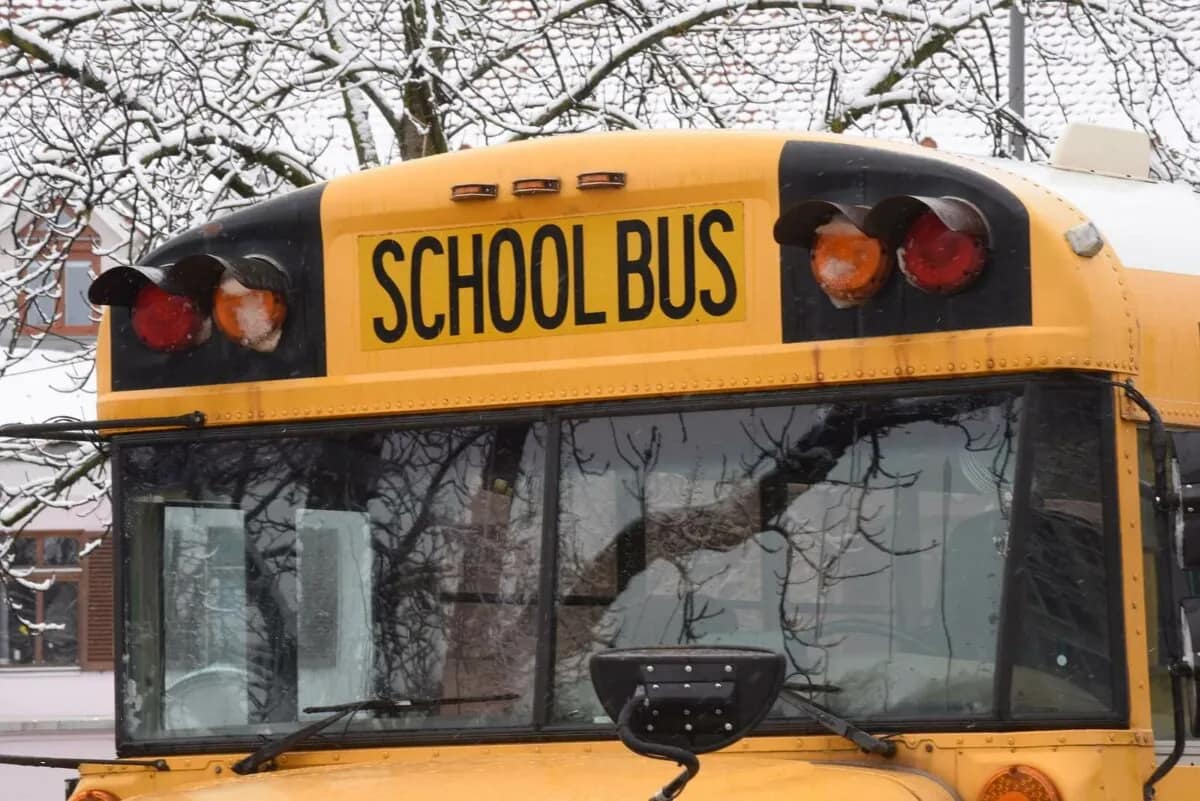
When an accident happens at a school, most families want the same answers right away: who is responsible, who pays for medical care, and what needs to be documented to protect a potential claim. The challenge is that school injuries aren’t handled like a typical slip-and-fall or car crash—especially when the possible responsible party is a public school district or a government employee.
This guide explains how liability is commonly analyzed after accidents on K–12 campuses, at school events, on playgrounds, and during school transportation in California. It also covers the evidence that tends to matter, common defenses, and what can change the outcome.
Liability snapshot: what usually determines responsibility
- Where the accident occurred: classroom, hallway, restroom, gym, playground, parking lot, school bus, or off-campus field trip.
- Who controlled the conditions: school district, principal/administration, a teacher, a third-party contractor, or another student.
- Foreseeability: whether the risk was predictable (e.g., broken equipment, known bullying, repeated prior incidents).
- Supervision and staffing: whether reasonable supervision was provided for the age group and activity.
- Maintenance and hazards: unsafe premises conditions like wet floors, uneven pavement, poor lighting, or defective playground equipment.
- Policy compliance: whether school safety rules, training, and emergency protocols were followed.
- Notice: whether the school or district knew (or should have known) about the dangerous condition.
- Government claim rules: if a public entity may be liable, strict deadlines and procedures may apply.
- Comparative fault: whether the injured person’s conduct is alleged to have contributed (often raised, even with minors).
Key terms that come up in school-accident liability
Public school vs. private school
Public schools are typically part of a school district (a government entity). Claims may involve special procedural rules and shorter notice deadlines. Private schools are not government entities and often involve standard premises liability and negligence principles.
Negligence
Negligence is a failure to use reasonable care under the circumstances. In a school setting, it often involves allegations like inadequate supervision, failure to address hazards, or unsafe procedures during sports and activities.
Premises liability (unsafe property conditions)
Premises liability focuses on unsafe conditions on the property—like cracked pavement, missing handrails, slippery floors, broken playground equipment, or unsafe ingress/egress during pickup and drop-off.
Duty to supervise
Schools and school staff generally have responsibilities to supervise students in a way that is reasonable for the environment and age group—especially during recess, PE, lunch periods, assemblies, and school-sponsored events.
Government claim (public entity claim)
When the responsible party may be a public school district or public employee, California’s government claim process may apply. This can affect how and when a claim must be started.
Who may be responsible: a practical breakdown
More than one party can share responsibility. Liability analysis often starts by identifying who controlled the area, activity, or person who caused the harm.
Potentially responsible party
Accidents where this often comes up
Evidence that tends to matter
Common defenses/arguments
Public school district / public school
Unsafe campus conditions; lack of reasonable supervision; injury during school day or school-sponsored activities
Incident reports, maintenance records, prior complaints, surveillance footage, witness statements, nurse logs
No notice of hazard; condition was trivial/open and obvious; reasonable supervision was provided
Private school
Premises hazards; negligent supervision; negligent security in certain circumstances
Policies, staffing schedules, training docs, repair invoices, parent communications
Reasonable care taken; injury was unforeseeable; assumption of risk for certain activities
Individual staff member (teacher, coach, aide)
Inadequate supervision; unsafe instructions; ignoring known threats; improper restraint or handling
Witness accounts, emails, lesson plans, staffing ratios, disciplinary history
Within scope of reasonable judgment; acted appropriately; lack of causation
Another student (and sometimes parents/guardians)
Fights, assaults, bullying, harassment, intentional acts
Disciplinary reports, texts/social posts, witness statements, prior incident history
Self-defense; no proof; school is the proper responsible party (shift blame)
Contractors/vendors (janitorial, security, maintenance)
Wet floors without signs; negligent repairs; unsafe construction zones; faulty security practices
Contracts, job logs, work orders, safety plans, signage photos
Not on duty / not responsible for the area; followed protocols; school controlled site
Transportation providers / bus drivers
School bus collisions; unsafe loading zones; sudden stops; pedestrian strikes near buses
Bus camera footage, route logs, driver training, telematics, police reports
Another driver caused crash; student misconduct; emergency maneuver required
Manufacturers (equipment/product liability)
Defective playground equipment, sports gear, chairs/bleachers, gates/locks
Preserved product, photos, serial numbers, recall info, expert inspection
Misuse; improper installation/maintenance; product altered after sale
Property owner (non-district site)
Off-campus events, leased facilities, shared parks, after-school programs at third-party sites
Lease agreements, maintenance responsibility, prior incident records
School controlled event; no notice; condition not dangerous
Common school accident situations—and how liability is usually evaluated
1) Playground injuries (slides, swings, climbing structures)
Playground cases often involve a mix of issues: equipment condition, surfacing (rubber matting, sand, mulch), age-appropriate design, and whether the area was reasonably supervised. Liability questions frequently include:
- Was equipment broken, loose, or missing parts?
- Were there hard-impact surfaces or poor landing zones?
- Were known hazards reported but not fixed?
- Was supervision adequate for the number/age of students and risk level of the activity?
2) Slip, trip, and fall on campus
These can happen in hallways, bathrooms, cafeterias, stairs, and parking lots. The analysis often turns on notice and maintenance: how long the hazard existed, whether there were warnings (cones/signs), whether routine inspections occurred, and whether the condition was unreasonably dangerous (e.g., water tracked in repeatedly without mats or cleanup).
3) Injuries in PE, sports, and extracurriculars
Sports injuries raise issues like assumption of risk, coaching conduct, protective equipment, and whether the activity was conducted safely. A normal risk of the sport may not lead to liability by itself, but liability can become a focus when there’s:
- Dangerous drills inappropriate for the athletes’ age/skill
- Failure to follow concussion protocols or return-to-play guidelines
- Known equipment defects (e.g., unstable goalposts, broken bleachers)
- Inadequate supervision during high-risk activities (weights, gymnastics)
4) Fights, bullying, and assaults
When a student is hurt by another student, families often ask whether the school is liable for failure to supervise or failure to intervene after warning signs. These cases can be fact-intensive:
- Were staff aware of threats, ongoing bullying, or prior fights?
- Were there prior reports to teachers/administrators?
- Did the school follow its own discipline and safety procedures?
- Was the area a known “hot spot” with inadequate monitoring?
5) Accidents during pickup, drop-off, and on school property near traffic
Injuries may involve vehicle collisions, crosswalk issues, traffic control, and campus design. Potential responsible parties can include a driver, the school/district, or both, depending on the setup and control of the loading zone and whether reasonable safety measures were in place.
6) School bus accidents and student transportation
A bus crash can involve multiple layers of liability: the bus driver, another driver, the bus company, maintenance providers, or a public entity (depending on who owns/operates the bus). Important evidence often includes police reports, bus camera footage, driver training records, and medical documentation.
7) Field trips and off-campus school events
Off-campus incidents may involve the school’s supervision decisions and the safety of the venue. Liability can expand to include venue owners, tour operators, transportation providers, or other third parties.
What evidence is most important after a school accident
Because campuses are busy and conditions change quickly, early documentation can be critical. If it’s safe to do so, families often try to preserve:
- Names and contact information of witnesses (students, staff, other parents)
- Photos/video of the scene (hazard, signage, lighting, wet-floor conditions, broken equipment)
- Injury photos over time (bruising, swelling, casts, stitches)
- Clothing/footwear worn at the time (do not wash if it contains evidence of liquids or debris)
- Medical records: ER/urgent care notes, imaging, discharge instructions, follow-up treatment
- School documentation: incident report, nurse’s office log entries, communications from administration
- Prior complaints (if any): emails, app messages, or notes to staff about the same hazard or bullying
Requesting reports and video
Schools may have incident reports, staff statements, and surveillance footage. Video can be overwritten quickly. If a serious injury occurred, it may be worth promptly requesting preservation of relevant footage and records through appropriate channels.
Defenses you may hear—and what they usually mean
Even when an injury is real, liability can be disputed. Some common positions taken by schools, districts, or insurers include:
- “We didn’t have notice.” They argue the hazard appeared too recently for staff to discover and fix it. Evidence of recurring problems or prior complaints can matter.
- “It was an inherent risk.” Often raised in sports/PE (assumption of risk). The key issue becomes whether someone increased the risk beyond what’s typical.
- “The student wasn’t following rules.” Used to argue comparative fault. Context (age, supervision level, enforcement consistency) becomes important.
- “The condition was minor/trivial.” Sometimes used in trip-and-fall cases to argue the defect wasn’t dangerous enough to be actionable.
- “A third party is responsible.” For example, blaming a vendor, another student, or a driver. In some cases, multiple parties can share fault.
- “No causation.” They may dispute that the accident caused the injury or argue a preexisting condition is primarily responsible—medical documentation is key here.
How shared fault works (including when the injured person is a minor)
California generally follows comparative fault, meaning responsibility can be split among multiple parties. In school injury cases, this can show up when the school argues a student’s choices contributed to the incident (for example, running in a restricted area or ignoring instructions).
That said, age and supervision expectations matter. What’s “reasonable” behavior differs for a 6-year-old on a playground compared to a 17-year-old in a parking lot. The specific facts often drive these determinations.
Example scenarios (hypothetical)
Hypothetical #1: Wet hallway near cafeteria
Hypothetical: A middle school student slips in a hallway outside the cafeteria during lunch. The floor is wet from a spill. No cones are present. Several students report the spill was there for a while, and staff had walked past it. The student fractures a wrist.
How liability might be analyzed: A key question is whether the school had enough time to discover the hazard and either clean it up or warn students. Witness statements, any surveillance footage, and the school’s supervision/inspection practices could be central.
Hypothetical #2: Playground equipment failure
Hypothetical: An elementary student is injured when a handhold on a climbing structure breaks. Parents later learn other children had reported wobbling parts earlier that week.
How liability might be analyzed: Potential responsible parties could include the school/district for maintenance and inspection, and possibly a manufacturer or installer if there was a defect or improper installation. Preserving the broken component and documenting prior complaints could be important.
Hypothetical #3: Fight after repeated bullying reports
Hypothetical: A student reports bullying multiple times. The student is later assaulted near a stairwell with limited supervision and suffers a concussion.
How liability might be analyzed: The focus may include foreseeability (prior reports), what steps the school took, and whether reasonable supervision was provided in a known area of conflict. Documentation of prior complaints and the school’s response can heavily influence the analysis.
What to do after an accident at school (practical, non-legal steps)
- Get medical attention promptly and follow discharge instructions. Keep copies of records and imaging summaries.
- Ask for a written incident report (and keep your own notes of what happened, when, and who you spoke to).
- Document the scene if possible: photos of the hazard, area lighting, warning signs, and layout.
- Preserve communications with school staff (emails, messages, letters).
- Track symptoms and limitations (pain, headaches, missed school, missed sports, sleep disruption).
- Avoid speculation on cause when speaking with insurers or administrators; stick to observed facts.
- Be mindful of deadlines when a public entity may be involved; these can be much shorter than people expect.
What compensation may be involved in a California school injury claim
Every case is different, but the types of damages often discussed in personal injury matters can include:
- Medical expenses (past and potentially future care)
- Out-of-pocket costs (medications, medical supplies, transportation to treatment)
- Pain and suffering (physical pain and emotional distress, when applicable)
- Loss of enjoyment of life (limitations on normal activities)
- Lost income (more common when an adult is injured, or when a parent loses work time depending on circumstances)
In catastrophic cases, issues like long-term therapy, accommodations, or future functional limitations may also become part of the discussion.
Timing issues: why school cases can move differently
School-related claims can involve additional steps, especially when a public school district is involved. There may be special claim presentation requirements and strict timelines that can impact the ability to pursue compensation at all. Separately, evidence like surveillance video and witness recollections can fade quickly, so acting promptly to document and preserve information can be important.
FAQ
Is the school automatically liable if a student is injured on campus?
Answer: No. Liability typically depends on negligence—such as unsafe conditions, lack of reasonable supervision, or failure to address known risks.
Can a school be liable for bullying or a fight?
Answer: Sometimes. Cases often focus on whether the harm was foreseeable and whether the school took reasonable steps after reports, threats, or prior incidents.
What if the accident happened during PE or a school sport?
Answer: It depends. Some injuries are considered inherent risks of sports, but liability may be alleged when someone increases the risk through unsafe coaching, defective equipment, or ignoring safety protocols.
What if the injury was on a field trip?
Answer: Liability can involve multiple parties. Depending on the facts, responsibility could involve school supervision decisions, the venue’s property conditions, or a transportation provider.
Do special rules apply to claims against a public school district in California?
Answer: Often, yes. Public entities may involve a government claim process and strict deadlines, which can affect how a case must be initiated.
Should I talk to the school’s insurance adjuster?
Answer: Be careful. Adjusters may look for statements that shift blame or reduce the value of a claim; it’s safest to stick to clear facts and avoid guessing.
Talk to Jacob Emrani’s team about a school accident question
If you’re trying to understand who may be responsible for a school injury in California—or what documentation could matter—Jacob Emrani’s team at CallJacob.com can help you evaluate the situation and discuss next steps. No outcome can be promised, but a focused review can help clarify where liability may fall and what issues may affect the claim.
Disclaimer: This article provides general educational information and does not constitute legal advice. Laws and deadlines can vary by situation, and reading this content does not create an attorney-client relationship. If you need advice for your specific circumstances, consult a qualified attorney.