


Testifying Experts in California Injury Cases
January 6, 2022
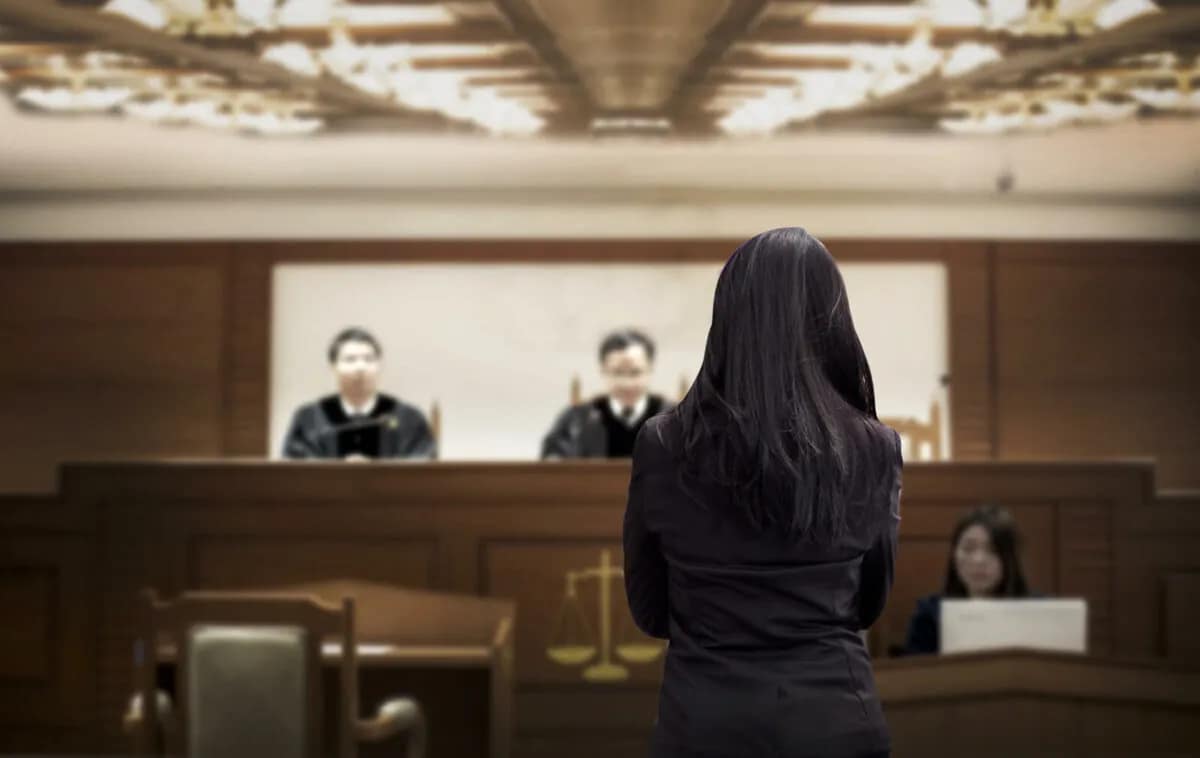
When a personal injury claim turns into a dispute about what really happened or what an injury is worth, insurance companies often stop treating the case like a simple paperwork problem and start treating it like a proof problem. That’s where a testifying expert witness can matter.
A testifying expert is an off-scene professional—such as a doctor, accident reconstructionist, engineer, or vocational specialist—who reviews evidence and then gives opinions in a deposition and, if needed, in court. Their job is to help the judge or jury understand technical issues like medical causation, future treatment, biomechanics, property safety, or how a crash likely occurred.
Below is a practical, California-focused guide to what a testifying expert is, how they differ from consulting experts, and the common situations where hiring one can change the leverage in a personal injury case.
Quick comparison: testifying expert vs. consulting expert
People often use “expert witness” as one umbrella term, but there are two common roles:
- Testifying expert: expected to provide a written report/opinions, sit for expert deposition, and potentially testify at trial.
- Consulting expert: helps the legal team understand technical issues and build strategy but is typically not designated to testify.
Both can be valuable. The right choice depends on whether you need an opinion that can be presented to the other side and to a jury.
When a testifying expert usually becomes worth it
Injury cases don’t automatically require expert testimony. Many claims resolve based on medical records, bills, photos, and witness statements. A testifying expert becomes more important when the case involves complexity, disagreement, or high stakes.
Common triggers include:
- Disputed fault (liability): the insurer argues you caused the crash or incident.
- Disputed medical causation: the defense claims your symptoms are “pre-existing” or unrelated.
- Serious injuries or long-term impairment: future care, disability, or lost earning capacity is contested.
- Inconsistent or limited documentation: gaps in treatment or delayed care are used against you.
- Competing narratives: each side’s version of events relies on technical interpretation (speed, distances, visibility, code compliance).
- A defense medical exam (IME/QME) is expected: the insurer plans to use its own doctors and opinions.
What a testifying expert actually does (and what they don’t do)
What they do
- Review source materials (medical records, imaging, photographs, body cam or surveillance video, vehicle damage, maintenance logs, incident reports, deposition transcripts).
- Apply specialized training to form opinions within their field (medicine, engineering, human factors, economics).
- Explain technical issues in a way a jury can understand, including cause-and-effect.
- Support or challenge key case themes, such as mechanism of injury, severity, safety standards, or need for future care.
- Testify under oath at deposition and trial, and respond to cross-examination.
What they don’t do
- They don’t decide the case. The judge or jury does.
- They don’t “guarantee” money. Experts provide opinions; outcomes depend on proof and credibility.
- They shouldn’t act as advocates. A strong expert is persuasive because they are rigorous, not because they take shortcuts.
Common types of testifying experts in personal injury cases
The “right” expert depends on the disputed issue. In California personal injury matters, the following categories come up frequently:
- Treating physicians (as experts): doctors who treated you may testify about diagnosis, causation, treatment, prognosis, and restrictions.
- Independent medical experts: specialists who review records (and sometimes conduct an exam) to opine on causation and future care.
- Accident reconstruction experts: analyze vehicle damage, scene measurements, event data recorders, visibility, and physics to explain how a collision likely occurred.
- Biomechanical engineers: evaluate forces and whether a claimed injury is consistent with the mechanism (often used by the defense).
- Human factors experts: address perception-reaction time, visibility, warnings, and how people behave in real-world conditions.
- Safety or premises liability experts: address property conditions, building codes, slips/trips, lighting, handrails, maintenance standards, and foreseeability.
- Vocational rehabilitation experts: explain how injuries affect work capacity and job options.
- Economists/forensic accountants: calculate lost earnings, reduced earning capacity, and sometimes household services loss.
- Life care planners: outline future medical needs, therapies, assistive devices, and anticipated care because of injury.
How expert testimony fits into the California case timeline
Expert involvement often begins long before trial. Even if a case settles, testifying experts can affect value by strengthening causation, liability, and future damages.
- Claim investigation phase: an attorney may consult an expert early to confirm whether a theory is solid.
- Lawsuit and discovery: experts may review new evidence as it is produced (maintenance records, video, cell phone data, etc.).
- Expert designation and disclosure: parties identify testifying experts, often exchanging reports/opinions consistent with procedural rules.
- Expert deposition: the other side questions the expert under oath to probe assumptions and weaknesses.
- Motions and trial: experts may be challenged, limited, or excluded if methodology/qualifications are attacked.
Comparison table: which expert role fits your situation?
Issue in the case
Consulting expert may be enough when…
Testifying expert is often helpful when…
Fault is disputed (who caused the crash/fall)
Photos, witnesses, and admissions clearly establish liability.
There are competing stories, limited witnesses, unclear point of impact, or technical questions (speed, sightlines, code compliance).
Medical causation is challenged
Your treating records clearly connect the injury to the incident and show consistent symptoms.
The defense argues degenerative changes, prior injuries, delayed treatment, or exaggerated symptoms.
Future medical care and prognosis
Treatment is complete and future care is minimal or straightforward.
There is a likely need for surgery, long-term therapy, pain management, or ongoing limitations.
Lost earnings / reduced earning capacity
You missed limited work time and employer payroll records are clear.
You cannot return to the same job, must reduce hours, or your career path is disrupted (requires vocational and economic opinions).
Premises liability / unsafe condition
The hazard is obvious on video and the property owner’s notice is well documented.
Notice, code standards, maintenance practices, friction/slip resistance, or lighting/handrail compliance is disputed.
Low-impact defense / minor property damage argument
Injuries are minor and resolve quickly with minimal dispute.
The insurer claims “no injury possible” because damage was light; a medical and/or biomechanical explanation may be needed.
Multiple potential causes
One clear cause and clean timeline.
Defense points to sports, prior accidents, work duties, or subsequent events as alternative causes.
What makes a testifying expert persuasive (and what makes them vulnerable)
Persuasive expert traits
- Strong qualifications that match the opinion (training, board certification, relevant practice/experience).
- Clear methodology and willingness to explain assumptions.
- Careful record review (not cherry-picking facts).
- Effective communication without talking down to jurors.
- Consistency between deposition testimony, report, and trial testimony.
Common vulnerabilities the defense attacks
- “Hired gun” allegations: bias due to frequent testimony for one side.
- Incomplete data: missing imaging, missing prior records, no scene inspection.
- Overreach: giving opinions outside the expert’s field (e.g., a doctor offering engineering opinions).
- Soft causation language: opinions that sound speculative rather than medically/technically grounded.
- Bad concessions in deposition: admissions that weaken certainty or contradict records.
How insurers use experts (and how you can respond)
Insurance carriers and defense firms routinely retain experts—especially in cases involving significant damages. Understanding the typical playbook can help you recognize why expert testimony comes up and what evidence matters.
Common defense expert arguments
- Pre-existing or degenerative conditions: “These MRI findings existed before the incident.”
- Gap in treatment: “If it were serious, treatment would have been immediate and continuous.”
- Minor impact: “The forces were too low to cause injury.”
- Alternative causation: “Work activities, sports, or a prior accident caused the symptoms.”
- Excess treatment: “Care was unnecessary, excessive, or not reasonable.”
Evidence that often strengthens your side
- Prompt evaluation and consistent follow-up (urgent care, ER, primary care, ortho, neuro, PT).
- Clear symptom timeline documented in charts and history.
- Objective findings where applicable (imaging results, exam findings, documented limitations).
- Accident documentation (photos, video, 911/incident reports, vehicle damage, witness info).
- Work documentation showing restrictions, time missed, job duties, and performance impact.
Example scenario (hypothetical)
Hypothetical: A driver in Los Angeles is rear-ended at a stoplight. The insurance company accepts that the other driver hit them but argues the case is “minor” because the bumper damage looks limited. The injured driver later develops neck pain with radiating symptoms and begins physical therapy. An MRI shows disc issues, and the defense argues the MRI findings are degenerative and not caused by the crash.
In this situation, a testifying medical expert (often a specialist) may be used to explain medical causation: how symptoms began after the collision, why the imaging findings are clinically significant in this context, and what treatment is reasonable going forward. If the insurer also pushes a “low-impact” argument, a reconstruction or biomechanical expert may address why visible vehicle damage does not always predict the forces transmitted to the body, depending on factors like occupant position, head restraint alignment, and delta-V evidence (when available).
The goal is not to “win with credentials,” but to give the decision-maker a coherent explanation that connects (1) crash dynamics, (2) symptom onset, (3) medical findings, and (4) functional limitations.
Practical questions to ask before agreeing to a testifying expert
If you’re involved in a case where experts are being discussed, these are the practical decision points that often matter:
- What issue are we trying to prove? Liability, causation, future treatment, earning capacity, or standard of care?
- Is there already a treating provider who can testify? Sometimes treating doctors can address key topics; other times an additional specialist is needed.
- What materials will the expert need? Imaging films, full chart notes, prior medical history, photos, scene measurements, employment records.
- Will the defense attack credibility? Prior injuries, inconsistent statements, surveillance, or social media posts can influence cross-examination themes.
- What is the cost-to-benefit? Expert work can be expensive, and strategy should match the case’s complexity and contested issues.
What you can do now to support (or avoid needing) expert testimony
Even if you never hire an expert, your documentation can reduce disputes. If experts do become necessary, your records can make their opinions stronger and easier to defend.
- Get appropriate medical evaluation and follow care recommendations; attend appointments consistently when possible.
- Be accurate and consistent when describing the mechanism of injury and your symptoms.
- Keep a simple symptom and limitation log (daily activities, sleep issues, work limitations, flare-ups).
- Save receipts and records for prescriptions, braces, mileage to appointments, and out-of-pocket expenses.
- Preserve evidence early (photos of vehicles/scene, visible injuries, damaged clothing/shoes, property condition, incident report details).
- Be cautious with recorded statements and avoid speculation—insurance adjusters may frame statements to support alternative causation or minimize severity.
Do all injury cases need a testifying expert?
No. Many California personal injury claims settle without any designated testifying experts, especially when:
- Fault is clear and well documented.
- Injuries are straightforward and resolve with routine care.
- Damages are supported cleanly by medical records and wage documentation.
But in contested cases, expert testimony can be the bridge between “I was hurt” and “Here is why the evidence supports that, and here is what it means long-term.”
How testifying experts affect settlement negotiations
Even when your case never reaches a courtroom, a credible testifying expert can influence settlement because they change risk for the insurer:
- Clear opinions reduce ambiguity, making it harder to dismiss injuries as unrelated.
- Future care opinions raise stakes when medically supported (ongoing therapy, injections, surgery, limitations).
- Work impact opinions make wage loss and diminished earning capacity harder to wave away as “self-reported.”
On the other hand, if an expert’s methodology is shaky or the opinion overreaches, the defense may use that weakness to justify a lower offer.
FAQ
What is a testifying expert witness?
Answer: A testifying expert witness is a qualified professional who forms opinions based on evidence and can testify under oath in deposition and at trial. In injury cases, their opinions often address liability, medical causation, future treatment, or financial losses.
What’s the difference between an expert witness and a treating doctor?
Answer: A treating doctor is the provider who treated your injuries; they can sometimes also serve as a testifying expert about diagnosis, treatment, and prognosis. A separately retained expert may review records and provide additional opinions, especially when causation or future care is disputed.
Will I have to meet the expert?
Answer: Sometimes. Some experts only review records, while others may conduct an exam or site inspection. Whether you meet them depends on the type of expert and what opinions are needed.
Can the defense choose its own experts?
Answer: Yes. In many litigated cases, the defense retains medical experts, accident reconstructionists, engineers, or economists to support their position and challenge causation or damages.
Does hiring a testifying expert mean my case is going to trial?
Answer: Not necessarily. Experts can be used to prepare for trial and improve settlement leverage, and many cases resolve after expert disclosure or depositions.
What if the defense says my injury is pre-existing?
Answer: The defense often argues symptoms come from degenerative findings or prior conditions. Medical records, imaging history, a consistent symptom timeline, and qualified medical opinions can help distinguish a pre-existing condition from an aggravation or new injury.
Can an expert testify about pain and suffering?
Answer: Experts typically do not quantify pain and suffering dollars, but they may explain the medical basis for limitations, impairment, future procedures, and how an injury affects daily functioning—facts jurors consider when evaluating non-economic damages.
What makes an expert’s opinion inadmissible?
Answer: Opinions can be limited or excluded if the expert lacks proper qualifications for the topic, uses unreliable methods, relies on unsupported assumptions, or strays outside their field. Proper preparation and solid source materials help reduce these risks.
Talk to a California personal injury lawyer about whether experts could help your case
If you’re dealing with an injury claim where fault, medical causation, future treatment, or the value of your case is being challenged, it may help to speak with a lawyer about whether a testifying expert witness is appropriate. You can contact Jacob Emrani through CallJacob.com to discuss your situation and the next steps (no guarantees, and every case depends on its facts).
Disclaimer: This article provides general educational information in a California personal injury context and is not legal advice. Reading this page does not create an attorney-client relationship. For advice about your specific situation, consult a qualified attorney.