


Using Insurance Money for Something Besides Repairs
September 27, 2023
After a car accident in California, many drivers receive an insurance repair payout and hesitate before scheduling repairs. It’s important to consider what can happen if you don’t use insurance money for repairs according to California rules and how that choice affects future claims, finances, and legal exposure.
How Insurance Repair Payouts Work in California
In California, auto insurance property damage claims help you restore your vehicle to its pre-accident condition or provide you with compensation for the loss. Once they determine liability, an adjuster prepares an estimate based on visible damage, labor rates, and parts. The insurer calculates and issues payment based on that estimate, reflecting their current valuation of the loss, not a requirement to complete repairs in a specific manner.
The property damage insurance settlement may be a check payable to the vehicle owner, a repair facility, or multiple parties, which affects who can access or use the funds. When a lender or the leasing company has a financial interest in the car, for instance, the insurer often lists that entity on the check.
Is It Legal to Keep Insurance Money Without Making Repairs?
California law doesn’t automatically require drivers to spend insurance payouts on repairs. Instead, whether you can keep insurance money for car repairs depends on ownership, policy terms, and statements made during the claim process.
Situations Where You Must Use the Money for Repairs
Certain situations may have legal implications for what happens if you don’t repair your car after insurance payouts. When a vehicle has an active loan or lease, the financing agreement usually requires the borrower to restore the car after damage to protect the lender’s collateral interest as well as the driver’s personal loss. If a driver uses the funds for another purpose, the lender may treat that action as a contract violation, regardless of the insurer’s position.
Drivers may also be obligated to repairs if they accepted payment based on an agreement to complete the work. For example, if a claim includes statements that the driver will complete repairs at a specific shop once they receive payout, the insurer issues payment based on that understanding. Failing to use the payout for that purpose can create disputes or repayment demands.
When Keeping the Insurance Money is Allowed
When no lender or policy restriction applies, California law allows vehicle owners to decide how to manage their property, so drivers who fully own their vehicles and follow policy terms generally have discretion over how they use insurance funds. Using an insurance check for something else is a financial choice rather than a legal issue, as long as the driver provides accurate information during the claim and complies with policy requirements.
In these cases, insurance claim money not used for repairs can be accepted as compensation for loss. Some drivers opt to delay repairs, complete only safety-related work, or sell the vehicle in its damaged condition.
Can This Be Considered Insurance Fraud in California?
Insurance fraud for California car repair cases focuses on dishonest claims, not on a discretionary choice to skip repairs. Fraud involves knowingly providing false information or misleading an insurer to obtain payment, so a driver who receives a payout and later decides not to repair their vehicle hasn’t committed fraud by that decision alone.
When drivers misrepresent damage, repair intent, or vehicle condition, however, they may face insurance fraud issues. Problems may also surface if a driver seeks additional compensation for damage already covered by a prior payout.
How Not Repairing Your Car Can Affect You Later
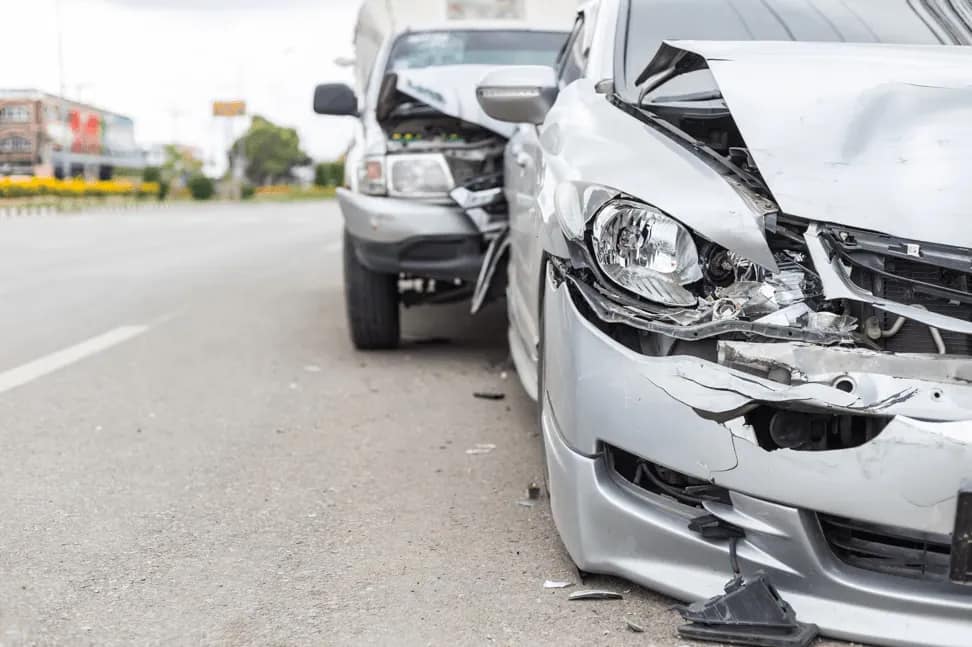
Even if they’re not legally required, deciding against repairs can have consequences later on:
- Reduced value: Vehicles with visible damage often depreciate more quickly than those in good repair.
- Contract violations: Lenders may claim a breach of contract if a borrower fails to repair damage required under the loan or lease terms.
- Denied future claims: Insurers may reduce a later payout if prior damage wasn’t repaired and either worsens or overlaps with new damage.
- Safety: Unaddressed repairs increase safety risks during everyday driving and future collisions.
- Resale challenges: Unrepaired damage can complicate inspections, registration reviews, or insurance underwriting decisions required for sales.
What Happens If the Car Is Later Declared a Total Loss?
When an insurer declares a vehicle a total loss, the payout represents compensation for the car’s full value, not funds for repairs. In this case, the driver isn’t obligated to repair the vehicle because the insurer has determined that repairs no longer make financial sense.
If your vehicle is a loss, the insurer calculates value based on the car’s condition immediately prior to the accident. That means that if you were previously involved in an accident, didn’t repair earlier damage, and the vehicle is later declared a loss, the insurer may subtract that unrepaired damage from the total loss valuation to avoid double-paying for the same damage, potentially resulting in a significantly lower payout.
What to Do If the Insurance Check Is Too Low
Insurance companies calculate payouts using estimates based on initial visible damage and standard pricing. Once a shop inspects your vehicle, technicians may find additional damage that wasn’t apparent during the first assessment. California car insurance repair payout rules allow drivers to challenge an insufficient payout and request adjustments. Here are a few potential actions you can take:
- Supplemental payment request: Submit revised repair estimates and documentation from the repair facility.
- Independent repair estimate: Obtain a second estimate from another licensed shop to compare labor rates, parts pricing, and repair scope.
- Adjuster reinspection: Ask the insurer to send an adjuster back to the shop to reinspect the damage.
- Repair prioritization: Focus initial repairs on drivability while continuing negotiations on cosmetic damage.
- Policy and estimate review: Review your policy and estimates to identify omissions or errors.
When to Contact a Car Accident Lawyer
If you face disputes over insurance payouts, repair obligations, or other issues related to your claim, contact a car accident lawyer in Los Angeles for professional support. A car accident lawyer can explain rights related to property damage insurance settlement California rules and help challenge insufficient payout decisions.

Get Support From a Car Accident Lawyer in Los Angeles
At The Law Offices of Jacob Emrani, we advise clients on insurance disputes and post-accident decisions. Contact us today — our team is ready to provide guidance for your legal concerns, whether related to insurance repair payouts or future claim impacts.