


California Bird Scooter Requirements
October 14, 2022
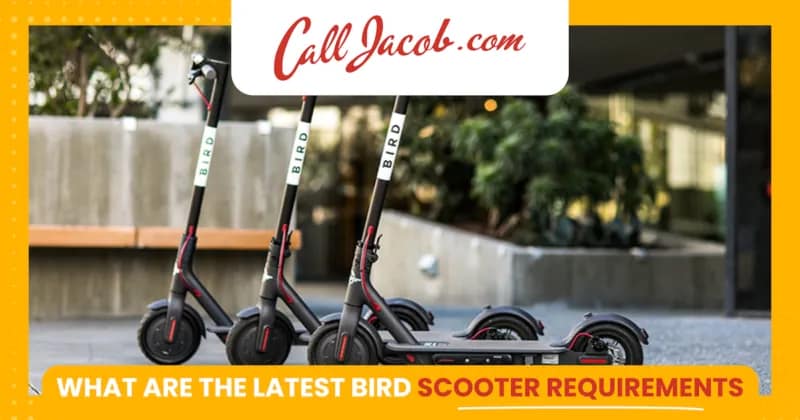
Searching for the “latest Bird scooter requirements” usually means one of two things: (1) you want to ride without getting ticketed, or (2) you were involved in a crash and need to understand what rules apply. In California, Bird scooters fall under the broader category of motorized scooters, with statewide laws plus additional city rules (like where you can ride or park).
Use this guide to quickly figure out what applies to your situation and what can change the outcome if there’s a collision.
Quick decision factors (what matters most)
- Your age: Under 18 triggers a helmet requirement; age also affects fault analysis in some cases.
- Whether you have a valid driver’s license: California generally requires a valid license to operate a motorized scooter.
- Where you rode: Street, bike lane, sidewalk, crosswalk, or a private lot can change the rules and potential liability.
- Your speed: Motorized scooters are generally capped; higher speed can lead to citations and increased fault arguments.
- Helmet use: Not always required for adults, but can still become a major insurance talking point after a head injury.
- Lighting and visibility: Night riding without proper lights/reflectors can create safety issues and legal exposure.
- Parking and “improper leave” allegations: How and where the scooter was left can matter in pedestrian trip-and-fall claims.
- Impairment and distractions: Alcohol/drugs and phone use can be used to reduce or deny claims.
- Local city rules and Bird’s app rules: Cities can designate “no-ride” or “slow zones,” and the app may enforce geofencing.
What counts as a Bird scooter (and why the definition matters)
In California, a Bird e-scooter is typically treated as a motorized scooter. That classification is important because it determines:
- Whether a driver’s license is required
- Whether you can use bike lanes and roads
- Whether you can ride on sidewalks (often restricted by local ordinance)
- How rules like speed limits, crosswalk behavior, and right-of-way typically apply
Separate from state law, Bird’s rental terms in the app may impose additional restrictions about where to ride, how to park, and who may rent. Those app rules don’t replace California law, but they can become relevant if there’s a dispute after a crash.
California baseline requirements (the rules most riders run into)
1) Driver’s license requirement
In California, operating a motorized scooter typically requires a valid driver’s license. That commonly includes a standard Class C license. Riders sometimes assume a scooter is treated like a bicycle; it usually isn’t.
2) Helmet rules (age-based)
California generally requires a helmet for riders under 18. Adults typically are not required by statewide law to wear a helmet on a motorized scooter, but helmet use can still matter greatly after a crash—especially with traumatic brain injury allegations.
3) Where you can ride (street, bike lane, sidewalk)
State law and city ordinances work together here:
- Bike lanes: Often the intended place to ride when available.
- Roadways: Riders commonly use streets where permitted; staying predictable and riding with traffic can be critical.
- Sidewalks: Many California cities restrict or ban sidewalk riding for e-scooters. Even where not expressly banned, sidewalk riding can raise liability issues if someone is struck.
- Crosswalks and intersections: The legal expectation is to follow traffic controls and yield rules; conflict points are common here.
4) Speed expectations
Motorized scooters are generally subject to a speed cap under California law. In practice, scooters may also be governed by app-based speed controls (for example, slow zones). If a crash happens, speed becomes one of the first issues raised—by police, insurers, and opposing parties.
5) Night riding: lights, reflectors, and visibility
If you ride around dusk or at night, visibility becomes a safety issue and a legal issue. Lack of proper lighting/reflective equipment can be used to argue that the rider contributed to the collision, even if a driver also made a mistake.
6) One rider per scooter
Carrying a second rider is a common source of instability and crashes. It may also violate equipment design expectations and app rules, and it can complicate fault and injury causation arguments.
7) Impairment and distracted riding
Alcohol, cannabis, prescription medications, and phone distraction can affect both safety and legal outcomes. Even without a DUI-style accusation, impairment can be used to argue comparative fault or to challenge credibility.
Local rules can change everything (why “latest requirements” vary by city)
California has statewide rules, but many “Bird scooter requirements” that riders actually experience are shaped by municipal regulations. Depending on the city, you may run into:
- No-ride zones or slow-ride zones enforced by geofencing
- Sidewalk restrictions (often stricter downtown or near beach paths)
- Parking requirements (designated corrals, no blocking ramps or walkways)
- Beach paths, promenades, and park rules that differ from standard roadway rules
If you’re researching requirements because a crash occurred, the precise location matters—a lot. The same scooter behavior may be treated differently from one city block to the next depending on signage and local ordinance.
Decision checklist table: “Does this apply to my ride?”
Requirement / Issue
When it usually applies
Why it matters (tickets, fault, claims)
What to do now
Valid driver’s license
Most motorized scooter rides on public streets/bike lanes
No license can trigger a citation and strengthen arguments that the rider was operating unlawfully
Confirm your license status; document what identification was used in the app
Helmet (under 18)
If the rider is under 18
Violation can be cited; after a head injury it can influence comparative fault arguments
Save any helmet photos/receipts; document injuries and medical care
Where you rode (sidewalk vs street vs bike lane)
Always; rules change by city and location
Sidewalk riding is frequently restricted and is a common defense point in pedestrian impacts
Take photos of the area, signage, curb cuts, and the exact route
Speed cap / “slow zone”
Always; may be enforced by scooter + local rules
Speed affects stopping distance, severity of injury, and liability allocation
Write down estimated speed and conditions; preserve ride data in the app if possible
Night visibility (lights/reflectors)
Dusk/night or low visibility
Drivers/insurers may claim they “couldn’t see you,” shifting blame
Photograph lighting conditions, streetlights, and scooter condition
Impairment / distraction
If alcohol/drugs/phone use is alleged
Can reduce or defeat recovery through comparative fault arguments
Avoid posting online; document the timeline and identify witnesses
Parking compliance
Trip hazards, blocked ramps, sidewalk clutter incidents
Improper parking can create liability questions for rider, company, or property owner
Photograph scooter placement, curb ramps, and pedestrian path of travel
If/Then guide (fast answers)
- If you were under 18 and not wearing a helmet, then expect the helmet issue to come up immediately—especially if there is a head or face injury.
- If you were riding on a sidewalk, then check whether the city restricts sidewalk e-scooter riding and document nearby signs and curb markings.
- If a car hit you while you were in a bike lane, then preserve photos of lane markings, parked cars, and the vehicle’s position (dooring and right-hook turns are common).
- If you fell without another vehicle involved, then document the roadway surface (potholes, debris, construction plates) and any scooter defect indicators (brakes, throttle, stem wobble).
- If you’re accused of speeding or reckless riding, then write down conditions (traffic, weather, visibility) and gather witness contact information early.
- If the incident involved improper parking and a pedestrian fall, then capture measurements and angles showing obstruction, ADA ramp proximity, and whether the scooter could have been moved easily.
What can change the legal outcome after a Bird scooter crash
Even when the rules seem straightforward, outcomes can shift based on facts that aren’t obvious at the scene.
Comparative fault in California
California generally uses comparative fault, meaning more than one party can share responsibility. In scooter cases, arguments often include:
- Rider was on the sidewalk or against traffic
- Rider entered an intersection unsafely or ignored a traffic control
- Driver failed to yield, made an unsafe turn, or caused a dooring incident
- Poor roadway conditions, construction zones, or missing warnings contributed
Evidence that tends to matter most
- Scene photos: lane markings, signage, curb ramps, debris, potholes, skid marks
- Vehicle and scooter photos: points of impact, damage, wheel alignment, brake condition
- App and ride info: time stamps, route, any screenshots of the ride ending or warnings
- Witnesses: pedestrians, nearby drivers, security guards, store employees
- Video: business cameras, traffic cameras, residential cameras (request quickly)
- Medical records: ER visit, imaging, concussion evaluation, orthopedic notes
Common insurance positions you may see
Depending on who is involved (a driver, a property owner, or another rider), insurance adjusters often focus on:
- “You weren’t allowed to ride there.” (sidewalk/no-ride zone arguments)
- “You were going too fast.” (speed/recklessness; may be asserted without solid proof)
- “You came out of nowhere.” (visibility, night riding, sudden lane entry)
- “You didn’t have the right-of-way.” (intersection timing disputes)
- “Your injuries are from a prior issue.” (preexisting condition arguments)
That’s why documentation of location, lighting, and medical timing is so important in e-scooter collisions.
Exceptions and edge cases riders don’t expect
Private property vs public roadways
Rules can shift when you’re in a parking lot, private driveway, or privately owned plaza. Property owners may have their own safety rules, and liability can turn on maintenance and warnings rather than traffic law alone.
Construction zones and temporary hazards
Uneven pavement, steel plates, trench patches, and cones can create sudden loss of control. If the hazard wasn’t marked or was left in an unsafe condition, multiple parties may be involved, including contractors or property managers.
“Solo fall” incidents (no car involved)
Not every Bird scooter injury involves a vehicle. Common causes include:
- Front wheel catching a groove or crack
- Brake malfunction or sudden locking
- Loose stem/wobble
- Debris (gravel, sand, broken glass)
These cases often depend on quick scene documentation because hazards change fast (street sweeping, construction crews, weather).
Example scenario (hypothetical)
Hypothetical: A 26-year-old rider rents a Bird scooter in a busy Los Angeles neighborhood at dusk. The rider uses the bike lane but briefly moves right to avoid debris. A car turns right across the bike lane into a driveway, and the rider collides with the passenger-side door. Police respond, and the driver tells the officer the rider “came out of nowhere.” The rider wasn’t wearing a helmet, suffers a concussion, and later learns there may have been a “slow zone” nearby.
How requirements and facts could affect the outcome:
- Bike lane use may support the rider’s argument they were operating in an expected area.
- Lighting and visibility becomes key at dusk—photos of streetlights and the scooter’s front/rear lighting can matter.
- Right-turn conflicts commonly hinge on who had the right-of-way and whether the driver checked mirrors before crossing the bike lane.
- Helmet not required for adults under many statewide rules, but the insurer may still argue the rider increased the severity of head injury.
- Debris in the bike lane could become relevant to why the rider’s path changed and whether the city’s maintenance played a role.
What to do if you were hurt on a Bird scooter (without making things worse)
- Get medical care promptly and describe symptoms accurately (headache, dizziness, nausea, wrist pain, back pain).
- Photograph the scene from multiple angles: lane markings, curb, signage, surface defects, lighting.
- Preserve the scooter details: scooter number/ID, photos of wheels, brakes, stem, and any visible damage.
- Collect witness information before people leave.
- Document the timeline: when you started the ride, where you traveled, where it happened, and what you remember.
- Be careful with statements to insurers or opposing parties—early certainty about speed or fault can be used against you later.
- Avoid social media posts about the crash or your physical abilities while you’re treating.
When Bird scooter requirements become important in a claim
Rules typically come up in three moments:
- At the scene (officer observations, informal admissions, citations)
- During insurance evaluation (comparative fault, coverage disputes, medical causation arguments)
- In litigation (city ordinances, expert opinions on speed/visibility, defect or maintenance evidence)
Even if you’re confident you followed the rules, it’s smart to document the facts needed to prove it—especially location, lighting, and right-of-way details.
FAQ
Do you need a driver’s license to ride a Bird scooter in California?
Answer: Generally, yes—California typically requires a valid driver’s license to operate a motorized scooter. Local rules don’t usually remove that statewide requirement.
Are helmets required on Bird scooters?
Answer: Riders under 18 generally must wear a helmet in California. Adults typically are not required by statewide law, but helmet use can still be heavily scrutinized after a head injury.
Can you ride a Bird scooter on the sidewalk?
Answer: It depends on the city. Many California cities restrict or prohibit e-scooters on sidewalks, and sidewalk riding can create fault issues in pedestrian collisions.
What is the speed limit for e-scooters?
Answer: Motorized scooters are generally subject to a speed cap under California law, and additional app-based speed controls may apply in slow zones. Speed can affect both safety and liability.
What if a car hit me while I was in a bike lane?
Answer: Bike-lane crashes often involve right-turn conflicts or dooring, and responsibility may depend on right-of-way and lane positioning. Preserve photos of lane markings, the vehicle position, and any nearby signage.
What if I fell because of a pothole or road defect?
Answer: Roadway defects and poor maintenance can play a role, but these cases often depend on rapid documentation before conditions change. Photograph the defect with context (wide shots) and detail (close-ups).
Does it matter if I was riding at night?
Answer: Yes—visibility issues frequently become a central dispute. Lighting, reflective gear, streetlights, and the scooter’s lights can all matter when fault is contested.
Talk to Jacob Emrani’s team if you were hurt in an e-scooter incident
If you were injured on a Bird scooter in California—whether a car was involved, a pedestrian was hurt, or you crashed due to a road hazard—getting clarity on which rules apply can be crucial. Jacob Emrani and the team at CallJacob.com can discuss what happened, what information to gather, and what to expect in a personal injury claim process (no guarantees; every case depends on its facts).
Disclaimer: This article provides general educational information about Bird scooter requirements and related safety/legal issues in California. It is not legal advice, and reading it does not create an attorney-client relationship. For advice about your specific situation, consult a qualified attorney.