


Should You Cash an Insurance Settlement Check?
June 18, 2018
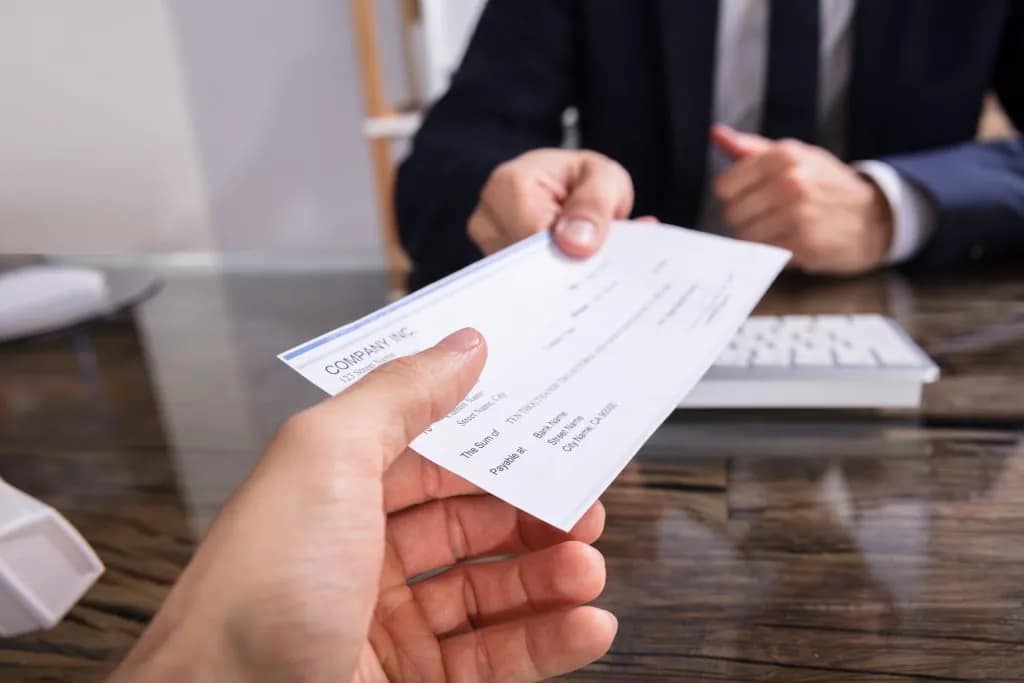
Getting a check from an insurance company after a car accident, slip and fall, or other injury can feel like progress—until you notice the memo line, the cover letter language, or a form release tucked into the envelope. In California personal injury claims, whether you should cash that check often depends on what the payment is for, what documents (if any) you’re being asked to sign, and whether the insurer intends the payment to be the final settlement.
Use the guide below to size up the risk before you endorse anything.
Quick decision factors (read these before you deposit anything)
- What does the check represent? Medical payments (MedPay), property damage, an “advance,” wage loss, or a full bodily injury settlement all carry different consequences.
- Did you sign (or are you being asked to sign) a release? A release can close your claim even if you cash nothing.
- Does the check or letter say “full and final,” “settlement,” or “payment in full”? Language like this can signal a claim-ending tender.
- Is the check payable to you only, or to you and a provider/lienholder? Joint-payee checks can indicate medical liens or bills being addressed.
- Are you still treating or awaiting diagnosis? Cashing a “final” settlement too early can leave you paying for future care.
- Are there liens or reimbursement rights? Health insurance, Medi-Cal, Medicare, ERISA plans, and medical providers may have reimbursement claims.
- Is this an undisputed portion of the claim? Sometimes insurers send partial payments (especially for property damage) that should not affect injury negotiations.
- Was this check sent by your insurer or the other driver’s insurer? First-party payments (your policy) vs. third-party payments can change what the insurer expects in return.
Why insurers send checks early—and what they may be trying to accomplish
Insurance payments do not always mean “case closed,” but insurers often send checks early for reasons that benefit them:
- To limit exposure: An early, modest payment may be intended to resolve the entire bodily injury claim before symptoms fully develop.
- To create leverage: If you cash a check the insurer calls a “settlement,” the adjuster may later argue you accepted the deal.
- To separate property damage from injury: Many insurers promptly pay vehicle repair/total loss while leaving bodily injury negotiations for later.
- To look cooperative: An “advance payment” can reduce frustration while still positioning the insurer to control the pace of the claim.
Key terms to understand before you endorse the check
Settlement check
A settlement check is meant to resolve a claim, typically after agreement on compensation for injuries, medical bills, pain and suffering, and related losses. Settlement checks are often tied to a release of claims.
Release (or “release of liability”)
A release is a contract where you agree to give up the right to pursue additional compensation in exchange for payment. Releases can be broad—covering known and unknown injuries—and can cut off your ability to seek more money later.
Advance payment / partial payment
An advance is money paid before final resolution, sometimes described as “without prejudice” or “partial payment.” The critical question is whether the insurer expects it to be credited against a later settlement and whether it requires you to sign anything.
Property damage payment
Property damage checks are typically for repairs or total loss value of a vehicle, plus related items like towing or storage. These checks often have nothing to do with bodily injury—but you should confirm that in writing.
MedPay (Medical Payments coverage)
MedPay is optional coverage on many California auto policies that can pay medical bills up to the policy limit regardless of fault. MedPay payments are usually separate from a bodily injury settlement with the at-fault driver’s insurer.
When cashing the check is usually low-risk (and when it isn’t)
Often low-risk: property damage only
If the check clearly states it is for vehicle repair/total loss and there is no release attached, cashing it is often routine. Still, it’s smart to confirm the payment does not include bodily injury settlement language.
Often low-risk: MedPay reimbursement to providers
If the check is from your own insurer under MedPay and is payable to you and your medical provider (or directly to the provider), it’s typically part of paying bills—not settling your injury claim against the other party.
Higher risk: checks tied to “full and final settlement”
If the letter says the check is in exchange for a signed release, or the check/memo references “settlement,” “payment in full,” or similar terms, depositing it may be used to argue you accepted a final deal—especially if you cash it after receiving settlement paperwork.
Higher risk: you’re still treating or haven’t reached medical stability
Many injuries—concussions, soft-tissue injuries, back and neck conditions, and disc-related issues—can evolve over time. If you settle before a clear diagnosis and treatment plan, you may be trading away the ability to recover for:
- specialist visits and diagnostic imaging (e.g., MRI)
- physical therapy or chiropractic care
- pain management
- lost wages and future work limitations
- ongoing pain, limitations, and disruption to daily life
Decision checklist table: “Cash it now” vs. “pause and verify”
What you see
What it likely means
What to do before cashing
Check states “property damage,” “repairs,” “total loss,” towing/storage, rental reimbursement
Payment is intended to resolve the vehicle portion, not bodily injury
Confirm in writing it’s property damage only; keep copies of estimate, photos, and rental receipts
Check from your insurer labeled MedPay/medical payments; may be joint-payee with a clinic
First-party medical benefits, separate from liability claim
Verify it’s a MedPay benefit and ask whether your insurer asserts reimbursement/subrogation later
Letter says “full and final settlement,” “release enclosed,” or “we will close our file”
Insurer is attempting to end the bodily injury claim
Do not endorse; request clarification and the proposed release terms; consider getting legal input
Memo line references “BI settlement,” “injury claim,” “claim release,” or “all claims”
May be treated as acceptance of a global settlement
Ask adjuster to confirm in writing whether cashing extinguishes rights; review any related documents carefully
Check is payable to you and a medical provider, hospital, or attorney trust account
A lien or bill is being accounted for; funds may be earmarked
Identify liens (medical lien, hospital lien, Medi-Cal/Medicare); do not redirect funds improperly
Check arrives unexpectedly with no explanation
Could be an “advance” or a settlement probe
Request a written breakdown: what it covers, whether it’s partial, and whether any release is required
If/Then guidance (fast answers)
If the insurer is asking you to sign a release, then treat the check as a proposed final settlement until proven otherwise.
If the check is clearly for property damage only, then cashing it usually won’t waive bodily injury rights—but confirm the scope in writing.
If you’re still treating, waiting on imaging, or unsure about prognosis, then be cautious about any check tied to injury settlement language.
If you have health insurance payments, Medi-Cal/Medicare involvement, or provider liens, then identify reimbursement obligations before agreeing to any final number.
If the check is joint-payee (you + provider/lienholder), then you likely cannot deposit it without addressing that party’s interest.
What can change the outcome: requirements, exceptions, and common traps
1) The release matters more than the check
In many cases, the document you sign is what waives rights—not the act of depositing funds. But insurers may argue that cashing a check with settlement language is evidence you accepted the bargain. Always treat paperwork + payment as a package.
2) “Accord and satisfaction” concerns
Sometimes insurers try to create an argument that accepting a check resolves a dispute. California has rules around this concept, but the practical takeaway is simple: don’t give the insurer an avoidable argument that you accepted a final deal.
3) Property damage vs. bodily injury should be clearly separated
It’s common to handle vehicle repairs/total loss quickly while injury negotiations take longer. Problems arise when an insurer blurs the categories. Ask for a written claim notes letter or email that explicitly states the payment is limited to property damage (or MedPay) and does not resolve bodily injury.
4) Liens and reimbursement can silently reduce your net recovery
Even if a check looks “good,” your net may be affected by:
- Medical liens (a provider agrees to treat now and get paid from the settlement later)
- Hospital liens (in some situations hospitals assert a lien for charges)
- Medi-Cal or Medicare reimbursement
- ERISA health plan reimbursement/subrogation claims
Failing to account for liens before final settlement can create financial and administrative headaches later.
5) Unclear diagnosis and “unknown injuries” clauses
Many releases are written broadly to include unknown injuries. That can matter if symptoms worsen, new issues appear, or treatment becomes more extensive than expected.
What to do right now (practical steps before you cash it)
- Read the entire cover letter and any enclosures (release, settlement agreement, medical authorization).
- Photograph or scan everything: the check (front/back), envelope, and all pages.
- Look for keywords: “release,” “final,” “all claims,” “full and final,” “bodily injury,” “settlement,” “indemnify,” “known and unknown.”
- Ask the adjuster one direct question in writing: “Is this payment for property damage only / MedPay only / or is it intended to settle my bodily injury claim?”
- Do not sign medical authorizations blindly. Broad authorizations can lead to fishing through unrelated history.
- Track your losses: medical bills, time off work, mileage to appointments, out-of-pocket expenses, and any work restrictions.
- If you’re represented, route the check to your attorney; settlement funds are often handled through a client trust account with a written breakdown.
Example scenario (hypothetical)
Hypothetical: After a rear-end collision in Los Angeles, Maria receives a $2,500 check from the other driver’s insurer two weeks after the crash. The letter says, “Enclosed is payment as full and final settlement of your bodily injury claim,” and includes a release that waives “all claims, known and unknown.” Maria is still seeing her doctor for headaches and has an upcoming MRI for neck pain.
What could go wrong if she cashes it: The insurer may argue Maria accepted a final settlement before her diagnosis was complete. If the MRI shows a more serious condition requiring extended therapy, she may have already waived the right to pursue additional compensation.
What a safer approach looks like: Maria pauses, requests written clarification, reviews the release carefully, and waits until her medical condition is clear enough to evaluate the claim—especially the need for future treatment and work limitations.
Common insurance adjuster positions you should recognize
- “This is just to help you out right now.” It may still be credited against the final settlement—or used as leverage later.
- “You can cash it and we’ll keep negotiating.” That can be true for some partial payments, but it depends on the accompanying language and documents.
- “Your treatment is excessive.” Insurers may dispute the necessity of care, frequency of therapy, or causation.
- “You had a prior condition.” They may argue your pain is pre-existing rather than crash-related.
- “Minimal vehicle damage means minimal injury.” This is a frequent argument in low-impact collisions; medical documentation becomes especially important.
Documents that help you evaluate whether the check is fair (and safe)
- traffic collision report / incident report
- photos of vehicle damage, visible injuries, the scene, and any hazards (for premises cases)
- medical records and itemized bills
- proof of wage loss (pay stubs, employer letter, time records)
- receipts for out-of-pocket costs (medications, braces, co-pays, rideshare, rental car)
- a timeline of symptoms and treatment dates
- correspondence from insurers (emails, letters, claim numbers)
Special situations in California that deserve extra caution
Uninsured/Underinsured Motorist (UM/UIM) claims
If you’re dealing with UM/UIM through your own policy, there may be additional consent or procedural steps. A check from your own insurer may be tied to policy terms different from a third-party settlement.
Minors and approvals
When an injured person is a minor, California often requires additional steps (including court involvement in many cases) before a settlement is finalized. A check alone doesn’t necessarily mean the process is properly completed.
Multiple claimants or multiple policies
Where more than one person is injured or multiple policies apply, early checks can complicate allocation of funds and negotiation strategy. Clarifying what the payment covers becomes even more important.
When a quick consultation can prevent a costly mistake
Consider getting help before cashing or signing if any of the following are true:
- The letter mentions release, final settlement, or closing the claim.
- You’re still treating, symptoms are worsening, or you haven’t had recommended imaging.
- You have potential liens (Medi-Cal, Medicare, ERISA plan, provider liens).
- The insurer is pressuring you to act quickly or suggesting you don’t need to read documents closely.
- The check amount seems disconnected from your medical bills, wage loss, or ongoing pain.
FAQ
Can I cash a property damage check and still pursue an injury claim?
Answer: Often yes, as long as the payment is clearly limited to property damage and you did not sign a release affecting bodily injury. Get written confirmation that the check is for property damage only.
Does cashing a check automatically mean I settled my case?
Answer: Not always, but it can create risk if the check or accompanying paperwork frames it as full settlement. The safest approach is to confirm in writing what the payment covers and review any release language carefully.
What if the check says “full and final settlement” on the memo line?
Answer: Treat that as a warning sign and pause before depositing it. Ask the insurer to clarify the scope and provide all settlement terms in writing.
Why is the check made out to me and my medical provider?
Answer: That usually indicates the insurer is addressing a bill or lien interest. Joint-payee checks typically require endorsement by both parties, and the funds may be intended for medical charges.
What if I already cashed the check and now realize it might have been a settlement?
Answer: Act quickly to gather the letter, envelope, and any releases and get advice on your specific situation. The impact can depend on what you signed, what notices were included, and how the payment was described.
Can the insurance company stop negotiating if I don’t cash the check?
Answer: They may apply pressure, but you generally have the right to evaluate an offer and request clarification. Keep communications professional and in writing.
Should I wait until I’m done treating to settle?
Answer: Commonly, yes—because it’s hard to value a claim without understanding diagnosis, prognosis, and future care needs. Some cases settle earlier, but settling too soon can leave you under-compensated if symptoms persist.
Talk to a California personal injury team before you sign or cash
If you received an insurance check after an accident and you’re not sure whether it’s a partial payment or an attempt to settle your entire bodily injury claim, it may help to speak with a personal injury attorney before you endorse it. You can contact Jacob Emrani and the team at CallJacob.com to discuss the situation and understand what the insurer’s payment may mean. No promises or guarantees—just clarity on your options.
Disclaimer: This article provides general educational information in a California personal injury context and is not legal advice. Reading this content does not create an attorney-client relationship. For advice about your specific case, consult a qualified attorney.