


Motorcycle Crash Brain Injury Symptoms
August 8, 2017
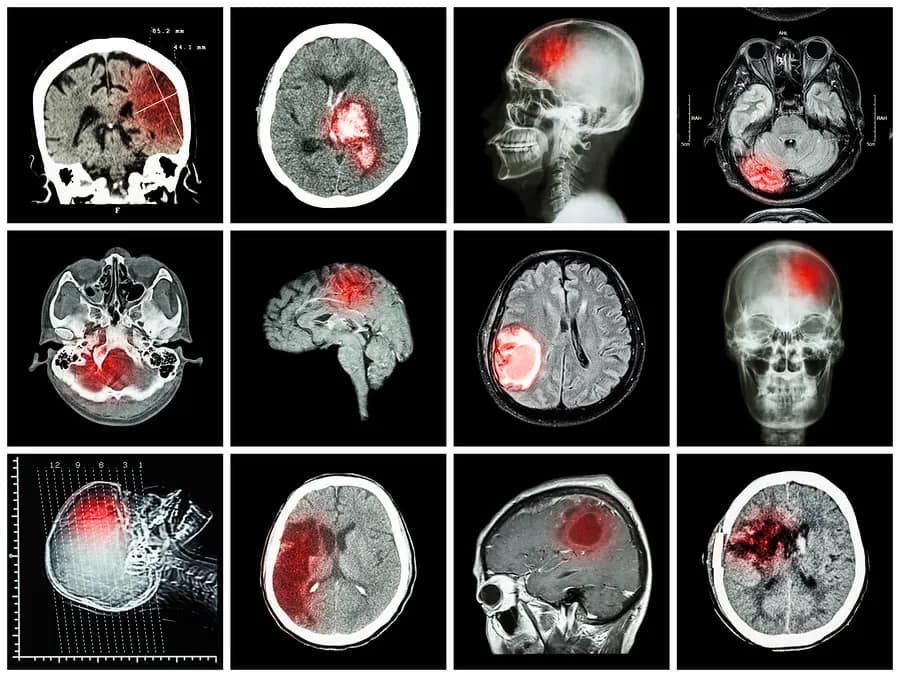
After a motorcycle crash, it’s common to focus on what you can see—road rash, a broken bone, damage to the bike. A traumatic brain injury (TBI), however, can be harder to spot and easier to dismiss, especially when adrenaline is high and symptoms develop slowly. This matters for your health first—and it can also affect how an insurance claim is documented and evaluated in California.
Below is a practical, step-by-step playbook for recognizing possible TBI symptoms after a motorcycle accident, getting the right medical evaluation, and protecting the information that may become important later.
Action Plan: What to Do If You Might Have a TBI After a Motorcycle Accident
- Assume your head and neck could be injured even if your helmet looks “fine.” Minimize movement until you’re assessed.
- Get checked the same day (ER/urgent care) if you lost consciousness, blacked out, can’t remember the crash, vomited, feel unusually sleepy, or have a severe headache.
- Tell medical staff it was a motorcycle collision and describe any head impact, whiplash, or face/jaw injury.
- Track symptoms for the next 72 hours—many concussion symptoms show up later.
- Ask someone you trust to observe you for changes in speech, mood, confusion, and balance.
- Avoid driving, riding, alcohol, and risky activity until a clinician clears you—reaction time and judgment can be impaired.
- Follow discharge instructions closely and attend follow-ups (primary care, neurology, concussion clinic).
- Document the crash and your symptoms (notes, screenshots, missed work, school accommodations).
- Be careful with recorded statements to insurance—memory gaps and delayed symptoms are common with TBIs.
- Get legal guidance if symptoms persist or the insurer downplays your injury—motorcycle TBI cases often require careful documentation.
What Counts as a Traumatic Brain Injury in a Motorcycle Crash?
A traumatic brain injury (TBI) is damage to the brain caused by an external force. In motorcycle accidents, TBIs commonly happen from:
- Direct impact (head hits pavement, a vehicle, a guardrail, or another object).
- Acceleration-deceleration forces (the brain moves within the skull during sudden stopping—this can occur even with a helmet and even without a visible head strike).
- Penetrating trauma (less common, but possible with debris or severe crashes).
TBIs range from mild traumatic brain injury (concussion) to moderate or severe injuries that can involve intracranial bleeding (such as a subdural hematoma or epidural hematoma), brain swelling, or diffuse axonal injury.
Concussion vs. “More Serious” Head Injury
Concussion is often used to describe a mild TBI. “Mild” refers to clinical classification, not how it feels or how long it can last. Some people have weeks or months of symptoms, sometimes described as post-concussion syndrome.
More serious TBIs can include bleeding inside the skull, skull fractures, or neurological deficits that require urgent intervention. Either way, early medical evaluation is the safest approach.
Motorcycle TBI Symptoms: The Warning Signs People Miss
TBI symptoms can appear immediately, within hours, or over the next several days. Some are subtle and can be mistaken for stress, pain medication effects, or “just being shaken up.”
Immediate Red-Flag Symptoms (Seek Emergency Care)
If any of the following occurs after a motorcycle crash, treat it as urgent:
- Loss of consciousness (even briefly)
- Repeated vomiting or nausea that worsens
- Seizure
- Severe or worsening headache
- Unequal pupils or vision changes that suddenly worsen
- Slurred speech, significant confusion, or agitation
- Weakness, numbness, or trouble walking
- Clear fluid draining from the nose/ears (possible skull injury)
- Increasing drowsiness or inability to stay awake
Common Concussion/Mild TBI Symptoms (May Be Delayed)
- Headache or “pressure” in the head
- Dizziness, balance problems, vertigo
- Light sensitivity and noise sensitivity
- Brain fog, slowed thinking, trouble concentrating
- Memory gaps (especially around the crash), repeating questions
- Sleep disruption (sleeping more, insomnia, fatigue)
- Mood changes (irritability, anxiety, depression)
- Vision issues (blurred vision, double vision)
- Nausea
Symptoms Friends and Family Often Notice First
Other people may spot changes before you do. Ask someone close to you to watch for:
- Personality changes or unusual anger
- Confusion about time, tasks, or simple decisions
- Slow responses or “not acting like yourself”
- Clumsiness, unsteady gait, coordination issues
Why Symptoms Sometimes Show Up Late
Delayed symptoms happen for several reasons:
- Adrenaline and shock can mask pain and confusion at the scene.
- Inflammation and swelling can develop over time.
- Sleep debt and stress after the crash can intensify cognitive symptoms.
- Co-existing injuries (neck injury/whiplash, jaw trauma, fractures) can distract from head symptoms.
Because TBIs can evolve, early “I feel okay” doesn’t always mean you’re in the clear.
How Doctors Evaluate a Possible TBI After a Motorcycle Crash
Evaluation depends on your symptoms, exam findings, and crash mechanism. Common elements include:
Clinical Exam and History
- Questions about loss of consciousness, confusion, amnesia, headache, vomiting
- Neurological exam (speech, strength, coordination, reflexes)
- Balance and eye movement checks
Imaging: CT vs. MRI
- CT scan is often used in the ER to rule out acute bleeding or skull fracture.
- MRI may be used later when symptoms persist, as it can show certain injuries not visible on CT.
Not every concussion shows up on imaging; a normal scan does not automatically mean “no brain injury.” Imaging is one tool among many.
Follow-Up Care
Depending on symptoms, follow-up may include primary care, neurology, vestibular therapy, occupational therapy, vision therapy, or a concussion clinic. Some patients need a structured return-to-work or return-to-school plan.
A Practical Timeline: What to Track in the First Month
TBIs can affect daily function in ways that aren’t obvious in a short clinic visit. Tracking helps your medical providers and can also clarify what changed after the crash.
Timeframe
What to Watch For
What to Document
What to Do
First 24 hours
Worsening headache, vomiting, confusion, extreme sleepiness, vision changes
ER/urgent care visit notes, who observed you, any loss of consciousness or amnesia
Get medical evaluation; follow discharge instructions; have someone monitor you
Days 2–3
Delayed dizziness, light/noise sensitivity, brain fog, mood swings
Symptom journal (time, triggers), missed work/school, medication side effects
Schedule follow-up; reduce screens; avoid riding/driving if symptomatic
Week 1
Persistent headaches, sleep disruption, attention problems
Work restrictions, notes from employer/school, any falls or near-misses
Follow medical plan; request accommodations; avoid strenuous activity
Weeks 2–4
Symptoms not improving, worsening with stress/exertion, memory issues
Referrals (neurology/PT), therapy recommendations, ongoing limitations
Ask about concussion rehab; follow up on imaging or specialist evaluation if recommended
What Not to Do (Common Mistakes After a Motorcycle-Related TBI)
- Don’t “tough it out” if you have red flags or worsening symptoms.
- Don’t skip follow-ups because the CT was “normal.” Persistent symptoms deserve reassessment.
- Don’t minimize symptoms to insurance or in early paperwork. Many TBIs evolve over days.
- Don’t return to riding or intense exercise too quickly. A second head injury during recovery can be dangerous.
- Don’t assume symptoms are only from stress. Anxiety and sleep loss can be part of a TBI picture, not proof it’s “not real.”
Example Scenario (Hypothetical)
Hypothetical: A rider in Los Angeles is sideswiped while lane splitting. He doesn’t think his head hit anything and refuses an ambulance because he feels “just sore.” That night he develops a headache and can’t sleep. Over the next two days he notices dizziness, light sensitivity, and difficulty focusing at work. He then goes to urgent care, reports the crash mechanism, and is referred for follow-up. His symptoms fluctuate for weeks, requiring reduced screen time and modified duties.
In this type of situation, the delayed onset is not unusual. What often makes the difference medically is timely evaluation and symptom tracking. What often matters in an insurance claim is whether the medical records clearly connect the onset and progression of symptoms to the collision and show consistent follow-through with care.
How a Motorcycle TBI Can Affect a California Injury Claim (High-Level)
In California personal injury cases, the core issues usually include fault, medical causation, and damages. TBIs can complicate all three—especially when symptoms are subjective (headache, concentration problems) or delayed.
Causation: Connecting the Dots
Insurance companies often look for gaps to argue your symptoms were pre-existing, unrelated, or caused by something else. Helpful items commonly include:
- Prompt medical evaluation or a clear explanation of why care was delayed
- Consistent symptom reporting across providers (ER, primary care, specialists)
- Mechanism of injury documentation (impact, whiplash, helmet damage, witness statements)
- Objective findings when present (neurological exam abnormalities, vestibular issues, documented cognitive screening)
Damages: What Losses Can Be Involved
A motorcycle-related TBI may involve a range of losses depending on severity and duration, such as:
- Medical expenses (ER care, imaging, specialist visits, therapy)
- Lost income and reduced earning capacity (time off, inability to perform cognitive or safety-sensitive work)
- Pain and suffering (headaches, sleep disruption, impact on daily life)
- Out-of-pocket costs (transportation to appointments, assistive tools for recovery)
Comparative Fault Issues (Motorcycle-Specific)
California uses comparative negligence, meaning fault can be shared. In motorcycle crashes, insurers may argue the rider contributed to the collision due to alleged speeding, unsafe lane splitting, following too closely, or visibility issues. These arguments may affect compensation, so evidence quality matters.
Insurance Company Tactics in TBI Claims (What to Expect)
Not every adjuster handles TBIs the same way, but these themes are common in head injury claims:
- “Your CT was normal.” A normal CT can rule out certain emergencies, but it doesn’t automatically rule out concussion symptoms.
- “You didn’t hit your head.” TBIs can occur from rapid acceleration-deceleration forces.
- “You waited too long to get care.” Delayed symptoms are common; documentation is key.
- “It’s just stress/anxiety.” Mood symptoms can be part of a TBI presentation and can also interact with pain and sleep problems.
- “You’re better now.” Symptoms can fluctuate; functional limitations may persist with workload or screen time.
The most effective response is usually not arguing with the adjuster—it’s building clear medical documentation, credible symptom chronology, and consistent follow-through.
Evidence Tips: What to Save After the Crash
If you’re dealing with possible TBI symptoms, consider preserving:
- Crash documentation: police report number, scene photos, bike/helmet photos, damage estimates, witness contact info
- Medical records: ER discharge papers, imaging results, referrals, therapy plans, medication lists
- Symptom log: headache intensity, dizziness episodes, triggers (screens, noise), sleep patterns
- Work/school impact: missed days, modified schedule, written accommodations, performance issues
- Communications: emails/texts that show you reporting symptoms or inability to work (keep it factual and consistent)
When Should You Talk to a Lawyer About a Motorcycle TBI?
Not every crash requires a lawyer. But it can be helpful to get legal guidance when:
- There is loss of consciousness, memory loss, or ongoing cognitive symptoms
- Your symptoms persist beyond a short period or interfere with work and daily life
- The insurer disputes that you were injured or argues symptoms are unrelated
- There are complex liability issues (multiple vehicles, unsafe road conditions, commercial defendants)
- You are being pressured into a quick settlement before your condition is clear
FAQ
Can you have a traumatic brain injury without hitting your head in a motorcycle accident?
Answer: Yes. Rapid acceleration-deceleration forces can cause brain movement inside the skull, which may trigger concussion symptoms even without a direct head strike.
How long after a motorcycle crash can concussion symptoms appear?
Answer: Symptoms can appear immediately or develop over hours to days. That’s why monitoring for at least the first 72 hours is important, and follow-up is recommended if symptoms persist or change.
If my CT scan is normal, does that mean I don’t have a concussion?
Answer: No. A CT scan is often used to rule out urgent problems like bleeding or fractures; concussions frequently do not show up on CT imaging.
What symptoms suggest I should go back to the ER?
Answer: Worsening headache, repeated vomiting, seizures, increasing confusion, new weakness/numbness, difficulty staying awake, or significant vision changes should be treated as urgent after head trauma.
Will a helmet prevent a traumatic brain injury?
Answer: Helmets significantly reduce the risk of certain severe injuries, but they cannot prevent all TBIs—especially those caused by the brain’s movement from sudden stopping or rotational forces.
How does a TBI affect a California personal injury claim?
Answer: TBIs often require careful medical documentation because symptoms can be delayed and subjective. Clear causation and consistent treatment records can be important when insurers evaluate damages and dispute severity.
Talk to CallJacob.com About a Motorcycle TBI Claim
If you were hurt in a motorcycle accident and you’re experiencing possible traumatic brain injury symptoms—like headache, dizziness, memory problems, or light sensitivity—getting medical care is the priority. If you also need guidance on what documentation matters and what to expect from insurance in California, you can contact Jacob Emrani at CallJacob.com to discuss your situation. No result can be promised, but an informed review can help you understand options and next steps.
Disclaimer: This article provides general educational information about motorcycle accidents and traumatic brain injury symptoms in a California context. It is not medical advice or legal advice, and reading it does not create an attorney-client relationship. If you have emergency symptoms, seek immediate medical care.