


Dangerous Los Angeles Intersections
April 6, 2017
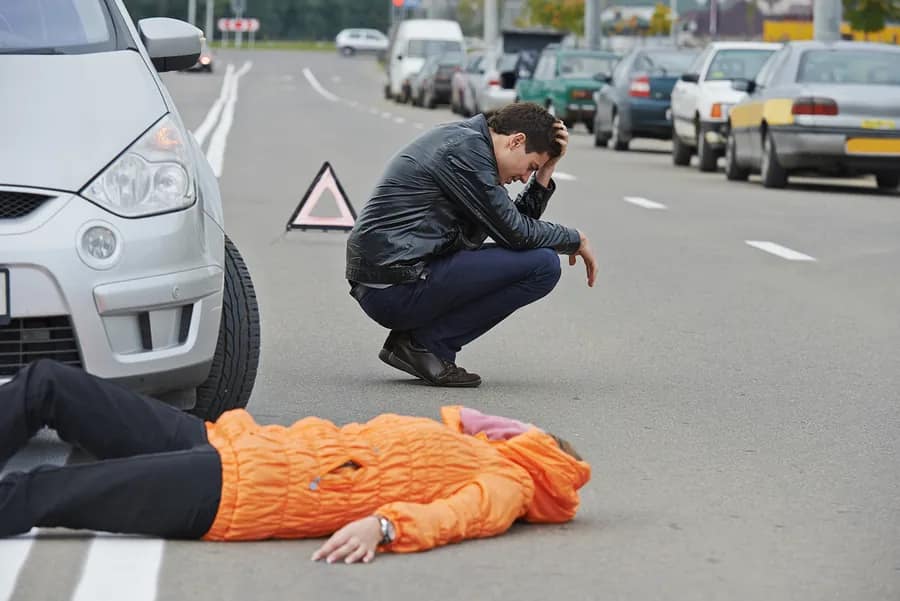
Some of the most severe collisions in Los Angeles happen where roads meet. Intersections concentrate speed changes, turning movements, pedestrians, cyclists, and split-second decision-making—often under pressure from traffic congestion and impatient drivers. If you’ve been hurt (or you’re trying to avoid being next), it helps to understand why certain intersections are more dangerous, what behaviors drive crashes, and how your choices after a collision can affect both safety and a potential injury claim.
Quick safety moves that reduce intersection crash risk
- Approach every signal change with a plan: be ready for sudden stops, red-light runners, and last-second turns.
- Limit “yellow light gambling”: hard braking and late acceleration are two common triggers for rear-end and T-bone crashes.
- Scan for left-turn conflicts: oncoming cars misjudging gaps cause frequent side-impact collisions.
- Watch crosswalk edges and corners: pedestrians can be partially hidden by parked cars, buses, or A-pillars.
- Check mirrors before entering: especially for motorcycles lane-splitting and cyclists in bike lanes.
- Don’t assume the other driver will yield: treat right-of-way as a safety guide, not a guarantee.
- Avoid “wave-through” hand signals: another driver’s gesture doesn’t make it safe or legal to proceed.
- Leave space when stopped: enough room to steer out if an aggressive driver approaches or a vehicle behind fails to stop.
Why intersections in Los Angeles are uniquely high-risk
Intersection danger isn’t just about one careless driver. In Los Angeles, the risk often comes from a combination of:
Traffic patterns and speed differentials
Major arteries can move fast between lights, then compress into sudden stops. That speed differential increases:
- Rear-end collisions when a driver looks down for a moment or follows too closely.
- Chain-reaction crashes when multiple vehicles can’t stop in time.
- Side-impact crashes when someone enters late on a yellow or red.
Complex turning movements
Left turns under pressure are a top cause of intersection collisions. Common problems include improper lookout, misjudging distance and speed, blocked sightlines, and drivers trying to “beat” oncoming traffic when the signal changes.
Vulnerable road users concentrated in one place
Pedestrians and cyclists are most exposed at crossings. The risk rises with distracting signage, wide intersections, multiple travel lanes, and drivers focusing only on other cars rather than crosswalks and bike lanes.
Visibility issues: design, glare, and obstructions
Even in daylight, visibility changes quickly at intersections due to:
- Sun glare during morning or late-afternoon commutes
- Large vehicles (buses, box trucks) blocking views
- Parked cars near corners
- Faded lane markings or confusing striping
- Poor lighting at night
Crash types that frequently happen at “dangerous intersections”
1) T-bone (broadside) collisions
Often tied to red-light running, rolling stops, or drivers failing to yield while turning. These are especially dangerous because the side of a vehicle provides less protection.
2) Left-turn accidents
Left-turn crashes can involve oncoming vehicles, pedestrians in the crosswalk, or cyclists proceeding straight. Disputes commonly center on who had the green light or whether a “protected” arrow was active.
3) Rear-end collisions
Stop-and-go traffic and short light cycles can lead to tailgating, distracted driving, and sudden braking. While rear-end liability is often straightforward, it can get complicated if multiple vehicles are involved or if the front driver made an unsafe stop.
4) Sideswipes and unsafe lane changes near the intersection
Drivers sometimes cut across lanes to make a turn at the last second. This can cause sideswipes, spin-outs, and multi-car pileups.
5) Pedestrian and bicycle crashes in crosswalks and bike lanes
Right turns on red, turning on green without checking crosswalks, and failing to yield during a left turn all frequently lead to injury-producing collisions.
What makes an intersection “dangerous” in a legal/claim sense
When people say an intersection is “dangerous,” they usually mean it has a high crash rate or a history of severe collisions. In an injury claim, what matters is how the collision happened and what evidence proves fault. Still, certain intersection characteristics often show up in case investigations:
- Signal timing problems (short yellows, unclear phasing, permissive vs. protected turns)
- Obstructed sightlines (vegetation, signage, parked vehicles, construction barriers)
- Confusing lane configuration (sudden merges, unclear turn-only lanes, worn striping)
- High pedestrian volume near schools, transit stops, or nightlife areas
- Frequent congestion that encourages risky lane changes and “don’t miss the light” behavior
How safety decisions can affect liability and compensation
California uses comparative fault. That means responsibility can be shared, and percentages can affect recovery. Even if another driver ran a red light, insurers may look for ways to argue you contributed to the crash.
Common arguments insurers raise for intersection collisions
- “You should have seen the hazard and avoided it” (visibility, speed, or reaction-time arguments)
- “You entered on a late yellow” (timing disputes, signal phasing)
- “You were speeding” (even modest speed can be used to argue increased stopping distance)
- “You changed lanes unsafely” (especially near turn pockets)
- “You were distracted” (phone use, navigation, eating, passenger distraction)
Safety steps that also strengthen documentation
Good safety habits often create clearer evidence. For example, stopping fully at a limit line, using turn signals early, and leaving safe following distance can reduce ambiguity about what happened.
What to do immediately after an intersection crash (without making things worse)
Intersections can be chaotic and dangerous after impact. Focus on safety first, then documentation.
1) Protect people and prevent a secondary collision
- Check for injuries, call 911 if needed.
- If safe and vehicles are drivable, move out of active lanes to avoid another crash.
- Use hazard lights and, if available, set warning triangles.
2) Identify the “why” of the crash while it’s fresh
Without arguing, take quick notes: Was the light red, green, or yellow? Was there a left-turn arrow? Did someone run a stop sign? Were there blocked views or glare?
3) Call law enforcement when appropriate
Many injury collisions warrant a police response. A traffic collision report can help clarify driver statements, diagram vehicle positions, and list witnesses.
4) Photograph the intersection like an investigator would
Intersection cases often turn on angles, signals, lane markings, and visibility. Take photos/video of:
- Traffic signals (including arrows) and signal heads facing each direction
- Lane markings, turn-only arrows, and the limit line/stop line
- Skid marks, debris fields, and resting positions (if safe)
- Crosswalks, signage, and obstructions (parked cars, bushes, construction)
- Vehicle damage from multiple angles, including license plates
5) Get witness information early
Independent witnesses can be critical in “he said / she said” signal disputes. Ask for names and contact information. If someone captured dashcam footage, ask them to preserve it.
6) Seek medical evaluation
Adrenaline can mask symptoms. Common intersection-crash injuries include whiplash, concussions, fractures, back injuries, and soft-tissue injuries. Prompt evaluation also creates a medical record connecting symptoms to the collision.
Decision checklist: evidence that tends to matter most for intersection accidents
Evidence item
What it can prove
Where it commonly comes from
Tips to preserve it
Traffic signal phase/sequence
Right-of-way, whether a left-turn was protected vs. permissive
City/traffic management records, investigation
Write down the exact direction of travel and which signal head applied to you
Intersection photos/video
Lane configuration, visibility obstructions, signage, crosswalk placement
Your phone, passenger phone
Photograph wide shots and close-ups; capture all approaches (north/south/east/west)
Vehicle damage patterns
Point of impact, angles, whether a vehicle turned across traffic
Photos, body shop documentation
Take photos before repairs; include interior damage if relevant (airbags, seatbelt marks)
Witness statements
Signal color, speed, red-light running, unsafe turns
Bystanders, other drivers, nearby workers
Get contact info immediately; note where the witness was standing or driving
Dashcam or nearby surveillance
Real-time proof of violation or turn movement
Dashcams, businesses, residences
Act quickly—many systems overwrite footage within days
911 call and dispatch logs
Early timeline, initial descriptions, potential admissions
Public records requests, investigation
Note the time of crash and exact location/intersection corners
Medical records
Injury causation, symptom onset, treatment needs
ER/urgent care, primary doctor, PT
Be consistent and accurate in describing symptoms and how the crash happened
Example scenario (hypothetical)
Hypothetical: A driver heading west enters an intersection on a green light. An oncoming driver attempts a quick left turn under pressure as traffic builds behind them. The westbound driver brakes hard but still strikes the turning vehicle in the passenger side (a T-bone/left-turn conflict). The turning driver claims they had time and that the westbound driver was speeding.
In a situation like this, the outcome may depend on evidence such as:
- Photos showing the exact point of impact and final positions
- Independent witnesses who saw whether the left turn was made on a protected arrow or a permissive green
- Dashcam video showing approach speed and whether braking occurred
- Any visibility obstruction (parked vehicles, buses, glare) that made gap judgment harder
This is also a common setup for comparative fault arguments (for example, allegations of speeding or late braking), so careful documentation matters.
Injury patterns in intersection crashes (and why they matter)
Intersection collisions often involve high-force angles or abrupt stops. Injuries frequently associated with these crashes include:
- Head injuries and concussion from airbag deployment, head impact, or rapid acceleration/deceleration
- Neck and back injuries including whiplash and disc-related symptoms
- Rib and shoulder injuries from seatbelts or side impact
- Fractures and joint injuries (wrists, knees, ankles), especially when bracing
- Soft-tissue injuries that may worsen over days
From a claim perspective, prompt diagnosis and consistent follow-up can help clarify causation and treatment needs—especially when symptoms evolve after the first 24–72 hours.
Common mistakes after an intersection accident
- Admitting fault at the scene based on incomplete information (fault can hinge on signal phase, visibility, or right-of-way rules).
- Failing to capture the signal and lane markings (these details can change liability analysis later).
- Not calling police when injuries exist or when the other driver may dispute what happened.
- Waiting too long for medical care and then being surprised when insurers question the injury timeline.
- Giving a recorded statement without preparation (insurers can use phrasing against you).
- Repairing the vehicle immediately without documenting damage thoroughly.
When the intersection itself may be a factor (road design and public entities)
Sometimes the way an intersection is designed or maintained contributes to collisions—think malfunctioning signals, missing signage, or sightline obstructions that should have been addressed. Claims involving roadway conditions can be more complex than a standard two-driver crash and may involve special notice requirements and shorter deadlines under California rules for public entities. If you suspect a signal problem, confusing striping, or a hazardous condition contributed to your collision, preserve photos and write down details as soon as possible.
How fault is commonly evaluated in California intersection crashes
Liability often comes down to right-of-way rules and reasonableness under the circumstances. Issues that frequently decide fault include:
- Red-light running vs. entering on yellow
- Failure to yield on left turns and right turns on red
- Stop sign compliance (full stop vs. rolling stop)
- Following too closely leading to rear-end impacts
- Unsafe lane changes approaching a turn lane
- Distracted driving (phone use, navigation adjustments)
- Visibility limitations that affect what a reasonable driver should do
FAQ
If I had a green light, can I still be partially at fault?
Answer: Yes, it’s possible. Even with a green light, insurers may argue you were speeding, distracted, or failed to take reasonable evasive action depending on the circumstances and available evidence.
What if the other driver says the light was green for them too?
Answer: Conflicting statements are common. Objective evidence—dashcam footage, witness statements, photos of vehicle positions, and sometimes signal timing information—often becomes the key to sorting it out.
Are left-turn drivers usually responsible in intersection crashes?
Answer: Often, but not always. A left-turning driver typically must yield to oncoming traffic unless they have a protected left-turn arrow, but details like speed, signal phase, and visibility can affect fault.
Do I need to go to the doctor even if I feel “okay” right after?
Answer: It’s usually a good idea to get checked if you have any symptoms or you experienced a significant impact. Some injuries (like concussions or soft-tissue strains) can appear later.
Should I talk to the other driver’s insurance company?
Answer: You can, but be careful. Adjusters may request a recorded statement and may frame questions in ways that minimize your claim; consider getting guidance before providing detailed statements.
What evidence should I focus on at the scene?
Answer: Prioritize safety first, then capture the signal heads, lane markings, vehicle positions/damage, and witness contact information. Those details are often the most disputed in intersection cases.
Talk to CallJacob.com about a Los Angeles intersection accident
If you were injured in a Los Angeles intersection crash and you’re unsure who’s at fault or what evidence matters most, you can contact Jacob Emrani through CallJacob.com to discuss the situation and understand potential next steps. The right approach early on can help preserve key evidence and avoid common insurance pitfalls.
Disclaimer: This article provides general educational information in a California personal injury context and is not legal advice. Reading this content does not create an attorney-client relationship. For advice about your specific situation, consult a qualified attorney.