


Diminished Value Claims After Car Accidents
February 27, 2018
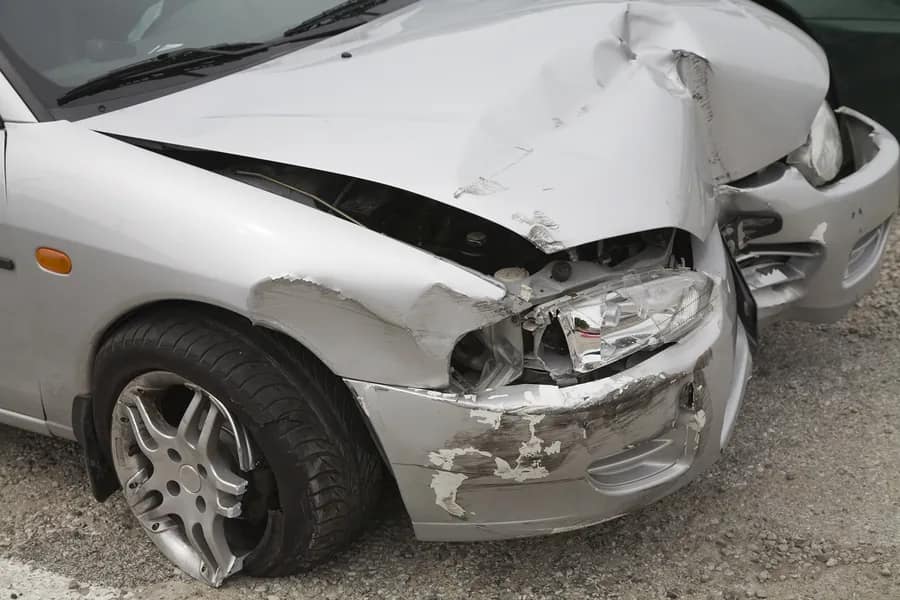
Even after high-quality repairs, a vehicle that’s been in an accident can be worth less on the open market simply because it now has an accident history. A diminished value claim is the way many drivers try to recover that loss in resale value—separate from repair costs. Whether you can pursue diminished value, and how strong your claim is, depends on a few key factors.
- Who caused the crash: Claims are usually strongest when you’re making a third-party claim against the at-fault driver’s insurer.
- Your policy type: First-party diminished value (against your own insurer) is often limited and depends on policy language.
- Vehicle age and condition: Newer vehicles with low mileage and clean history tend to show clearer market impact.
- Severity and type of damage: Structural damage, frame damage, airbag deployment, and major panel replacement commonly reduce market value.
- Quality and documentation of repairs: A complete repair file, OEM part documentation, and before/after photos can matter.
- Accident-history reporting: Carfax/AutoCheck entries and police reports can influence resale value, even if repairs were perfect.
- Comparable market evidence: The more you can show price differences between similar vehicles with and without accident history, the better.
- Timing and claim posture: Diminished value is often negotiated after repairs are complete and supplements are resolved.
What “diminished value” means (and why repairs don’t always fix it)
Diminished value generally refers to the difference between:
- What your car would have been worth on the market immediately before the collision (pre-loss value), and
- What it’s worth now after the collision and repairs, considering its accident history (post-repair value).
In real-world sales, many buyers pay less for a vehicle with an accident history—even if the vehicle drives normally and repairs look flawless. That reduction can show up during a trade-in appraisal, a private-party sale, or when a dealer runs a vehicle history report.
Three terms people confuse
- Repair costs: What it takes to restore the vehicle physically (labor, parts, paint, calibration, etc.).
- Total loss value: If the vehicle is totaled, the insurer typically addresses actual cash value (ACV), not diminished value after repairs.
- Diminished value: Loss in market value that persists even after repairs are completed.
Are diminished value claims allowed in California?
In California, diminished value is most commonly pursued as part of a third-party property damage claim against the driver who caused the collision. The underlying idea is that if someone negligently damages your property, you may be entitled to be made whole—which can include a loss in value that remains even after repairs.
Where people run into confusion is with first-party diminished value—meaning a claim made under your own collision coverage. Many auto policies contain language that limits what the insurer pays (often focusing on repair or replacement). Whether a first-party diminished value claim is viable can depend heavily on the specific policy wording and the facts of the loss.
Third-party vs. first-party: why it matters
Most consumers searching for “diminished value claim” are really asking: Can I recover the loss in resale value from the at-fault driver’s insurance company? Often, that’s the clearer path—especially when liability is accepted and the vehicle has meaningful, documentable value loss.
When a diminished value claim is usually strongest
Not every accident creates meaningful diminished value. These situations tend to strengthen a claim:
- New or late-model vehicles: A two-year-old car with low mileage generally has more market sensitivity to accident history than an older vehicle.
- Clean pre-accident history: If the vehicle had no prior accidents, the “before” value is easier to support.
- Major repair categories: Frame/structural repairs, bedside/quarter panel replacement, suspension damage, or airbag deployment can raise buyer concerns.
- High-end or specialty vehicles: Luxury vehicles and desirable trims can see stronger buyer reaction to accident reporting.
- Accident is documented widely: Police report, claim records, and vehicle history reports can make the stigma unavoidable in a future sale.
When diminished value is harder to prove
These factors do not automatically defeat a claim, but they commonly reduce settlement leverage:
- Older, high-mileage vehicles: Market value may already be driven more by age/condition than accident history.
- Minor cosmetic repairs: If the repair involved only paint work or a replaceable bolt-on part (like a bumper cover), the value impact may be modest.
- Pre-existing damage or prior accidents: A pre-loss accident history can make “loss due to this crash” harder to isolate.
- Gaps in repair documentation: Missing invoices, incomplete estimates, or unclear photos can invite insurer skepticism.
- Disputes about liability or comparative fault: If fault is contested, property damage payments (including diminished value) can become harder to negotiate.
What changes the outcome: the insurer’s lens
Insurance carriers often evaluate diminished value claims through a practical (and sometimes narrow) framework:
- “Prove the market loss”: Adjusters commonly ask for objective evidence that the resale price is measurably lower.
- “The car is repaired to pre-loss condition”: Even if the repair is excellent, the insurer may argue value loss is speculative.
- “Prior history or condition issues”: They may also point to wear and tear, prior accidents, or maintenance gaps as alternate causes.
- “No sale, no loss”: Some take the position that unless you sold the car, there’s no concrete loss. Many owners address this by relying on appraisals and market comps instead of waiting to sell.
Because diminished value is about market perception, good documentation and a consistent valuation method matter.
Decision checklist: Should you pursue a diminished value claim?
Use the checklist below to evaluate whether it’s worth investing time into a diminished value demand. This isn’t a legal determination—just a practical decision tool.
Decision factor
What supports a stronger claim
What can weaken the claim
Fault/liability
Other driver clearly at fault; liability accepted
Disputed fault; shared responsibility (comparative fault)
Vehicle profile
Late-model, low mileage, desirable make/trim, clean title
Older/high mileage; pre-existing damage; prior accident history
Damage severity
Structural/frame repairs, airbags, significant panel replacement
Minor cosmetic work; small, easily replaced parts
Repair documentation
Complete estimate, supplements, invoices, calibration records
Missing paperwork; unclear repair scope; cash repairs with minimal records
Market proof
Comparable listings/sales, appraisal report, dealer trade-in statements
Only personal belief; no comps; no appraisal
Timing
Repairs complete; final repair cost confirmed; DV presented as separate demand
Claim made too early; repairs ongoing; unclear final repair quality
If/Then guide: quick calls you can make
- If the other driver is at fault and your vehicle is relatively new, then it may be worth assembling a diminished value demand with market support.
- If the vehicle has structural repairs or airbag deployment, then expect accident-history stigma and consider an appraisal or strong comps.
- If your vehicle had prior accidents, then focus on showing the incremental loss tied to this collision (not a global decline).
- If the insurer argues “no sale, no loss,” then consider evidence like dealer trade-in appraisals or an independent diminished value appraisal.
- If you’re trying to claim diminished value under your own policy, then review the policy’s repair/replacement language and be prepared for a tougher path.
How to document a diminished value claim (what to gather)
Think of diminished value as a mini valuation case. The goal is to show before value, after value, and why the difference is attributable to the accident.
1) Proof of the vehicle’s pre-accident condition
- Clear photos showing exterior/interior condition before the crash (if available)
- Maintenance records and service history
- Odometer reading close to date of loss
- Evidence of options/trim (window sticker, build sheet, original purchase documents)
2) Proof of what happened
- Collision report or incident report (when available)
- Claim number and adjuster details
- Photos of damage from multiple angles
- Tow and storage invoices (if relevant to the property damage timeline)
3) Proof of the repair scope and quality
- Body shop estimate and all supplements
- Final invoice showing parts (OEM vs aftermarket where noted), labor operations, and paint work
- Calibration documentation (ADAS recalibration is a common modern repair line item)
- Alignment printouts and any structural measurement reports (if performed)
4) Proof of market impact
- Comparable vehicle listings (same year/make/model/trim, similar mileage) with and without accident history where possible
- Trade-in quotes or written dealer appraisals that mention accident history as a factor
- Vehicle history report entries reflecting the collision/claim (when applicable)
- An independent diminished value appraisal (when appropriate)
Common insurer arguments—and practical ways to respond
“Your car was repaired, so you’re made whole.”
Repairs address physical condition; diminished value addresses marketplace perception. Supporting market evidence (comps, appraisals, dealer statements) can help bridge that gap.
“You can’t prove the number.”
Numbers should be anchored to observable market behavior. Strong approaches rely on comparable sales/listings, reasoned adjustments for mileage/trim, and documentation of accident history impact.
“This was minor damage.”
If the damage truly was minor, diminished value may be limited. But if “minor” on the surface included hidden damage, multiple panels, or significant labor operations, your repair file can tell the real story.
“Pre-existing issues caused the value drop.”
Maintenance records, pre-loss photos, and a clean title/history can reduce this argument. If there was prior damage, the focus shifts to isolating the additional loss caused by this crash.
Example scenario (hypothetical)
Hypothetical: A Los Angeles driver owns a late-model SUV with low mileage and no prior accidents. Another driver rear-ends them at a red light. The SUV needs a tailgate replacement, rear quarter panel repair, paint blending, and sensor recalibration. Repairs are completed at a reputable body shop, and the vehicle looks and drives normally.
Weeks later, the owner seeks trade-in offers. Two dealers note an accident history entry and provide lower trade-in numbers than comparable clean-history SUVs. The owner compiles:
- Final repair invoice plus supplements
- Photos of damage and repair process
- Comparable listings showing higher asking prices for clean-history vehicles
- Written trade-in appraisals referencing accident history
Using that documentation, the owner submits a diminished value demand to the at-fault driver’s insurer as part of the property damage claim. The insurer disputes the amount and argues the repairs restored the vehicle. The owner responds by emphasizing the objective market feedback (dealer appraisals and comps) and the nature of repairs (panel replacement, paintwork, and recalibration) that often affects buyer perception.
How diminished value fits into a California car accident claim
Diminished value is typically part of property damage, which is separate from bodily injury claims like medical bills, pain and suffering, or lost wages. Property damage may include:
- Repair costs
- Towing and storage (as applicable)
- Rental car reimbursement or loss of use (depending on circumstances and coverage)
- Diminished value (in appropriate cases)
It’s also common for property damage discussions to run on a different timeline than injury treatment, and settlement of one does not always require settlement of the other. Still, documents can overlap (date of loss, liability findings, photographs, and recorded statements).
Timing: when to raise diminished value
Many people get better traction by addressing diminished value after these points are clear:
- Repairs are complete and you have the final invoice (including supplements)
- Hidden damage is resolved and the vehicle’s status is stable
- You’ve collected market proof (comps, appraisals, trade-in quotes)
Raising diminished value too early can lead to guessing the repair scope, which can weaken negotiations.
Practical mistakes that can undermine a diminished value claim
- Accepting a quick property damage payout without clarifying whether it includes diminished value
- Not keeping repair records (estimates, supplements, invoices, calibration documentation)
- Relying on generic formulas without market support tied to your specific vehicle and repair scope
- Ignoring condition issues that the insurer will raise (tires, paint condition, interior wear)
- Making inconsistent statements about severity of impact or pre-accident condition
What to expect during negotiation
Diminished value negotiations often revolve around documentation quality and the reasonableness of your valuation method. The insurer may request:
- Proof that the vehicle had no prior damage
- Additional photos
- Repair records directly from the shop
- Comparable listings or dealer statements
- An explanation of how you calculated the claimed loss
It’s also common for insurers to counter with a lower number or deny diminished value outright. Strong claims tend to be those with consistent, verifiable evidence rather than broad assertions.
When it may help to talk to a lawyer
Because diminished value can overlap with other disputed parts of a crash claim (fault, repair disputes, lowball valuation, delays), it can be helpful to get guidance when:
- Liability is contested or comparative fault is being alleged
- The insurer is pressuring you to sign a release that may waive additional property damage
- There are multiple vehicles or coverage issues
- The repair involves structural components or complex ADAS systems and the insurer is minimizing the impact
- You also have a bodily injury claim and want to avoid paperwork missteps that affect the overall case
FAQ
Can I file a diminished value claim if my car was repaired perfectly?
Answer: Possibly, because diminished value is often driven by accident history rather than visible defects. Strong claims usually include market evidence (comparable listings, dealer appraisals, or an appraisal report).
Do I have to sell my car to prove diminished value?
Answer: Not necessarily. Many people support diminished value with trade-in quotes, comparable market data, and appraisals rather than waiting for an actual sale.
What if the accident shows up on Carfax or another vehicle history report?
Answer: A reported accident can make diminished value easier to explain because future buyers may see the entry and adjust what they’re willing to pay.
Can I recover diminished value from my own insurance company in California?
Answer: It depends on your policy language and the circumstances. Many policies focus on repair or replacement, so first-party diminished value can be more limited than third-party claims.
What types of repairs tend to create the most resale stigma?
Answer: Structural/frame work, airbag deployment, major panel replacement, and extensive paint blending often create more buyer concern than minor cosmetic repairs.
If the other driver’s insurer already paid for repairs, can I still ask for diminished value?
Answer: Often yes, if diminished value was not included or resolved, but timing and paperwork matter. Be cautious about signing releases that may waive additional property damage claims.
Talk to CallJacob.com about your accident claim
If you were hit in California and you suspect your vehicle lost resale value even after repairs, you may want help evaluating whether a diminished value claim makes sense alongside the rest of your accident claim. Jacob Emrani and the team at CallJacob.com can discuss the situation, the documentation you have, and the next steps for your specific circumstances (no guarantees).
Disclaimer: This article provides general information and is not legal advice. Reading this content does not create an attorney-client relationship. For advice about your specific situation, speak with a qualified California attorney.