


6 California Winter Driving Tips
October 22, 2021
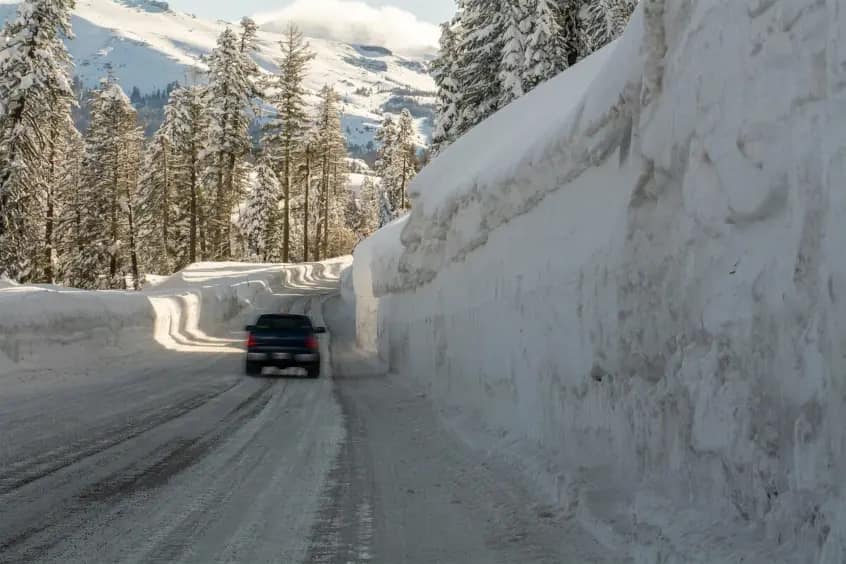
California winters look different depending on where you are—fog on the Central Valley, heavy rain in Los Angeles, icy bridges in the Inland Empire, and chain-control blizzards in the Sierra. But the common thread is this: winter conditions reduce traction, visibility, and reaction time, which increases the odds of collisions and multi-car pileups.
Below are six practical winter-driving moves that help prevent wrecks—and, if something goes wrong, help protect you when insurance companies start sorting out fault.
The 6 winter driving moves that matter most
- Slow down earlier than you think you need to—speed limits don’t account for hydroplaning, black ice, or low visibility.
- Increase your following distance—more space gives you time to brake gently and avoid rear-end impacts.
- Use the right visibility habits—headlights in rain/fog, clean glass, working wipers, and defoggers.
- Brake and steer smoothly—avoid sudden inputs that cause skids, spin-outs, or fishtailing.
- Prepare your car and plan your route—tires, tread depth, tire pressure, fluids, and checking road/chain conditions.
- Know what to do if you skid or hydroplane—staying calm and using correct technique can prevent a minor slip from becoming a major crash.
Why winter driving “tips” also affect liability and insurance
In a California personal injury context, safety choices aren’t just about avoiding crashes. They can influence:
- Fault determinations (who caused the crash and whether someone was driving too fast for conditions)
- Comparative negligence (whether you’re assigned a percentage of blame that reduces recovery)
- Credibility (whether your account sounds consistent with the conditions, vehicle damage, and scene evidence)
- Claim value (how clearly injuries and losses connect to the collision)
Winter weather often triggers common insurance arguments like: “You should have slowed down,” “You were following too closely,” or “You lost control.” Good driving habits—and good documentation—help counter those narratives when they’re unfair or exaggerated.
Tip #1: Drive for the conditions, not the posted speed limit
In winter rain or fog, a “safe” speed can be well below the posted limit. Water reduces tire grip and increases stopping distance. The risk jumps on:
- Freeways with standing water in ruts and low spots
- On-ramps and off-ramps (curves + braking + slick paint lines)
- Bridges/overpasses that cool faster and can ice first
- Mountain roads where shade can hide ice and snowpack
What to do
- Ease off early when approaching congestion, curves, or downhill grades.
- Avoid cruise control on wet roads; it can worsen loss of traction.
- Leave extra time so you’re not tempted to rush.
Legal/insurance impact
“Unsafe speed for conditions” can be alleged even when you weren’t speeding on paper. If a crash happens in rain, the other side may argue you failed to adjust. Driving conservatively helps reduce the chance of being blamed for losing control, rear-ending someone, or sliding into another lane.
Tip #2: Increase your following distance and avoid “accordion” traffic
Rear-end collisions are common in winter storms because stopping distance increases and drivers misjudge how quickly traffic will slow. A chain reaction can start with one abrupt brake tap.
What to do
- Give yourself more buffer space than you would on a dry day.
- Look several cars ahead for brake lights and traffic waves.
- Brake earlier and more gently to avoid triggering a pileup behind you.
- Move away from tailgaters (change lanes when safe) rather than “brake-checking.”
Legal/insurance impact
California drivers are often presumed at fault in rear-end crashes, but winter pileups can be complicated. Maintaining extra following distance helps show you were acting reasonably and can reduce comparative fault arguments if you’re struck from behind or forced into another vehicle.
Tip #3: Win the visibility battle (headlights, wipers, defogging)
Many winter crashes happen because drivers simply can’t see hazards soon enough: stalled vehicles, debris, a pedestrian in dark clothing, or a car without taillights in fog.
What to do before you leave
- Check wiper blades and replace if they streak or chatter.
- Top off windshield washer fluid rated for colder weather (helpful for frost in higher elevations).
- Clean all glass (inside and out). A film on the inside windshield can magnify glare at night.
- Confirm headlights and taillights work. In rain and fog, being seen is half the safety equation.
On the road
- Use headlights in rain and fog (not just daytime running lights). This helps others see your rear lights.
- Use defrosters correctly: A/C can help remove moisture even in winter.
- In heavy fog, slow down and avoid high beams, which can reflect and reduce visibility.
Legal/insurance impact
Visibility issues often become disputed facts: “You came out of nowhere,” “I couldn’t see you,” or “Your lights were off.” If your lights and wipers were working and you were driving cautiously, it becomes harder for another driver to shift blame.
Tip #4: Brake and steer smoothly—traction is limited in winter
On wet, icy, or snowy roads, sudden steering or hard braking can break traction and cause a skid. Even with anti-lock brakes (ABS) and stability control, you can’t out-tech physics.
What to do
- Brake earlier and apply pressure progressively.
- Slow before the curve, not in the middle of it.
- Accelerate gently from stops to avoid wheel spin, especially on slick paint lines and metal plates.
- Avoid abrupt lane changes in the rain—standing water can cause a quick hydroplane when crossing grooves.
Legal/insurance impact
Skids can lead to “loss of control” accusations. Smooth inputs reduce the chance you cross lanes or hit the center divider—facts insurers often point to when arguing you caused the crash.
Tip #5: Get your vehicle winter-ready (tires, fluids, and emergency basics)
Vehicle condition is a quiet contributor to winter collisions. Bald tires, underinflated tires, worn brakes, or weak wipers can turn a manageable rainstorm into a dangerous drive.
Pre-trip safety checks that pay off
- Tire tread depth: Worn tread increases hydroplaning risk. Check for uneven wear and consider replacement if traction is poor.
- Tire pressure: Cold temperatures can lower PSI.
- Brakes: If you notice vibration, pulling, or squealing, get it checked.
- Battery: Cold weather can expose a weak battery—especially in mountain areas.
- Coolant/antifreeze: Important in colder regions and higher elevations.
For snow areas: chains and chain control
If you’re heading to the mountains, you may encounter chain requirements and CHP chain control checkpoints. Key points:
- Carry the correct chains for your tire size and practice installing them somewhere safe and dry before you need them.
- Follow posted requirements (signage and checkpoints). Don’t assume AWD/4WD means you’ll never need chains.
- Drive slowly with chains and avoid sudden steering or braking.
Emergency kit basics
- Phone charger, flashlight, reflective triangles/flares
- Warm layers/blanket, water, basic snacks
- Gloves and a small towel (helpful for chains and wet conditions)
Tip #6: Know how to respond to hydroplaning, skids, and black ice
Knowing what to do in the first second or two can prevent a spin-out, a median impact, or a multi-vehicle collision.
Hydroplaning (tires riding on water)
- Stay calm and don’t slam the brakes.
- Ease off the accelerator and keep steering inputs minimal.
- Hold your direction until you feel traction return, then gently adjust.
Skidding (rear end sliding / fishtailing)
- Look where you want to go (your hands tend to follow your eyes).
- Steer gently in the direction of the skid to realign the car.
- Avoid overcorrecting, which can whip the car the other way.
Black ice (hard-to-see ice, often on bridges or shaded roads)
- Assume it’s there if temperatures are low and the road looks wet but traffic is light.
- Slow down before bridges, overpasses, and shaded curves.
- If you hit ice, keep inputs gentle—no sudden braking or sharp steering.
A single checklist that helps safety and protects your claim
Winter crashes often turn into “he said/she said” disputes. The checklist below focuses on both: preventing collisions and preserving the details that matter if an insurance claim follows.
What to do
Why it improves safety
Why it matters if there’s a claim
Reduce speed and avoid cruise control on wet roads
Less hydroplaning and shorter stopping distance
Counters “too fast for conditions” arguments
Increase following distance and brake earlier
Prevents rear-end collisions and pileups
Helps defend against comparative negligence in chain-reaction crashes
Use headlights in rain/fog; keep taillights visible
Improves your visibility both ways
Reduces disputes about whether you were visible or “came out of nowhere”
Photograph the scene (if safe): vehicles, road surface, signs, skid marks, weather
N/A (post-crash documentation)
Preserves evidence of rain, fog, standing water, debris, and lane positions
Get driver/witness info and note time/location (freeway, exit, intersection)
N/A
Helps verify fault, identify witnesses, and support the police report details
Seek medical evaluation and keep symptom notes
Addresses injuries early
Documents causation and reduces “you weren’t really hurt” arguments
Example scenario (hypothetical): Rainy freeway crash with “too fast for conditions” blame
Hypothetical: A driver is traveling on a Southern California freeway during heavy rain. Traffic slows abruptly near an interchange. The driver brakes, but the car hydroplanes and bumps the vehicle ahead at low speed. A third vehicle then rear-ends the driver at higher speed, pushing the driver into the first car again. Multiple drivers claim someone else “started it.”
How fault questions can unfold:
- The front driver may claim the middle driver was following too closely.
- The rear driver may claim they couldn’t stop because the middle driver “stopped suddenly.”
- Insurance adjusters may argue “unsafe speed for conditions” against more than one driver.
What evidence tends to matter in rainy, multi-car collisions:
- Photos showing standing water, visibility, and lane layout
- Vehicle damage patterns consistent with one impact vs. two impacts
- Witness statements about tailgating, lane changes, or abrupt braking
- Whether drivers had headlights on and were traveling with reasonable spacing
- Medical records documenting symptoms consistent with a rear impact (often higher-force than the initial bump)
If you’re in a winter crash in California: smart steps that also preserve evidence
1) Prioritize safety and call for help when needed
- Move to a safe location if possible (shoulder, off-ramp) and turn on hazard lights.
- Call 911 in emergencies, if someone is injured, or if traffic conditions make the scene dangerous.
2) Document weather and roadway conditions
Winter cases often hinge on what the road actually looked like—something that changes fast.
- Photograph puddling/standing water, fog, ice, slush, and any warning signs.
- Capture roadway features: curves, grade changes, bridge/overpass, lane markings.
3) Exchange information and identify witnesses
- Driver names, contact info, insurance, license plate numbers
- Witness names/numbers (even a brief neutral witness can help)
4) Be careful with statements at the scene
It’s normal to feel shaken up. Avoid guesswork like “I didn’t see you” or “I must have slid,” especially before you know what happened. Stick to facts.
5) Get medical attention and keep a paper trail
- Follow up on symptoms like neck/back pain, headaches, dizziness, numbness, and bruising.
- Keep records: discharge papers, imaging results, prescriptions, and PT referrals.
6) Notify insurance—accurately and promptly
Report the crash to your insurer. If another insurer contacts you for a recorded statement, consider getting guidance first—winter crashes can involve multi-vehicle dynamics, disputed fault, and comparative negligence arguments.
Common winter-crash disputes (and what tends to clarify them)
“You were going too fast for conditions.”
What helps: photos of traffic flow, your lane position, water pooling, and evidence that multiple vehicles slid or crashed in the same location.
“You lost control, so you must be at fault.”
What helps: documentation of black ice, debris, sudden lane intrusions, or a rear impact that caused a spin-out. Damage patterns and witness statements are often critical.
“It was just a minor bump—no one could be injured.”
What helps: prompt medical evaluation, consistent symptom reporting, and treatment records. Injury severity doesn’t always match visible vehicle damage.
“You didn’t have your lights on / I couldn’t see you.”
What helps: scene photos, witness statements, vehicle lighting functionality, and consistency with weather conditions.
When winter conditions are involved, who can be responsible?
Bad weather doesn’t automatically mean “no one is at fault.” Depending on the facts, responsibility may involve:
- Another driver (tailgating, unsafe lane change, speeding for conditions, distracted driving)
- Multiple drivers in chain-reaction collisions, with fault divided by comparative negligence
- A commercial driver or company if a truck or delivery vehicle was involved and safety rules weren’t followed
- A public entity or contractor in limited situations involving dangerous roadway conditions (these cases have unique notice and timing rules)
Talk to a California car accident lawyer if winter driving led to injuries
If you were hurt in a winter-weather crash—rain, fog, snow, ice, or a multi-car pileup—getting clarity early can help. Jacob Emrani and the team at CallJacob.com can review what happened, explain how fault and insurance typically work in California, and discuss practical next steps.
Disclaimer: This article is for general educational information only and does not constitute legal advice. Every accident depends on specific facts, and reading this page does not create an attorney-client relationship.